Autumn. Across the Greek islands, the ferries have emptied. In the capital, the heaving, high-season Acropolis queues have thinned. Conversely, just an hour’s drive west, the Peloponnese is a hive of activity. Pickers fill the groves; the hum of mills carries through the night; neighbours gather, impatient to taste the first pour of bright, grassy-green oil – hot off the press, so to speak.
Away from Athens’ urban sprawl, this classically contoured landscape is evocative of Ancient Greece. Road-trippers’ eyes widen at its drama as the road crosses the Corinth Canal – a stark ribbon of turquoise that connects the eponymous gulf in the Ionian Sea with the Aegean. You’ll ascend through Nemea’s myth-rich, goat-grazed hills – where Heracles is said to have slain the lion, its pelt proof of his first great labour – before rolling south into Arcadia, Laconia and Messinia – all verdant slopes cloaked in orchards, groves and estates.
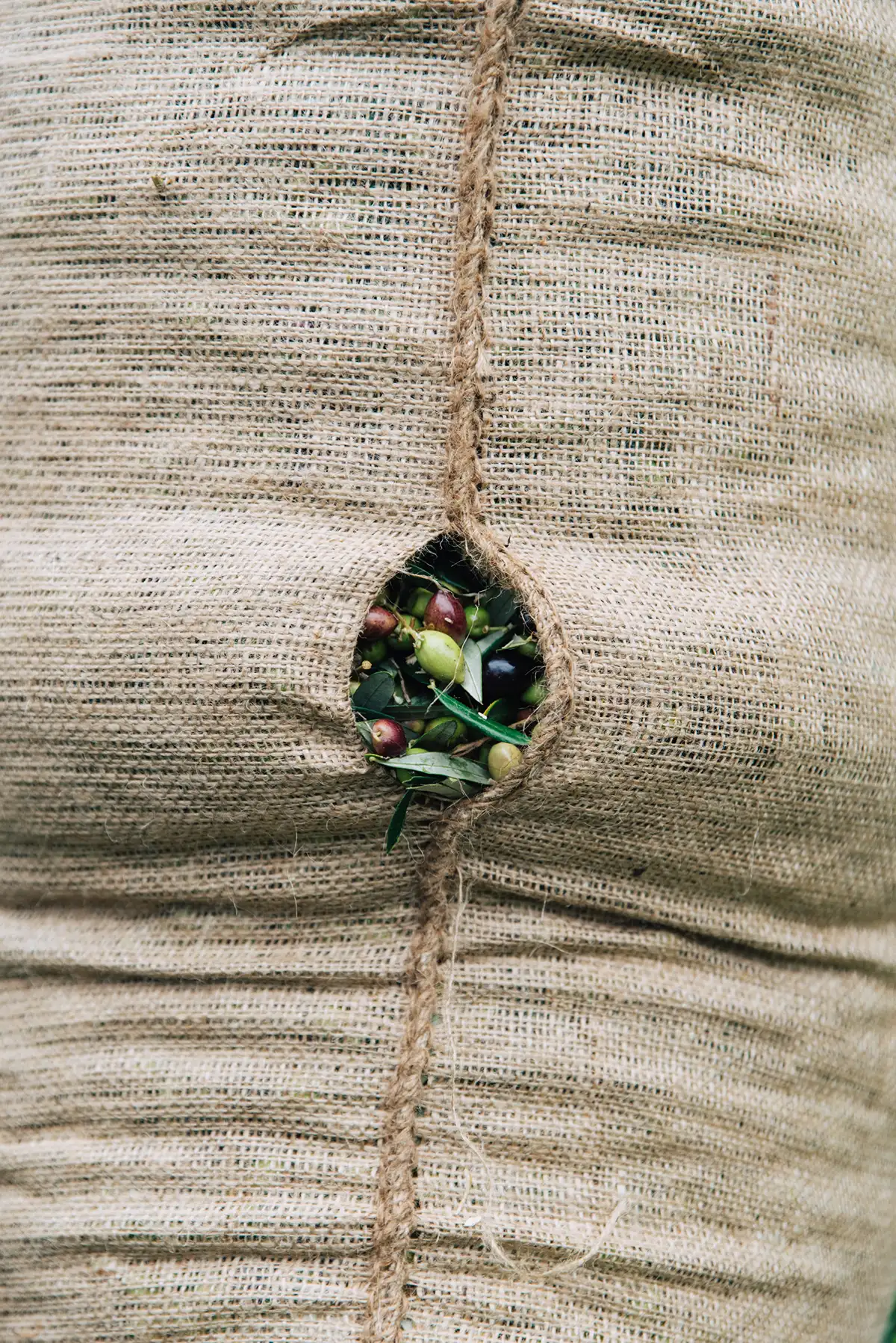 Despite its beauty, the region has long lived in the shadow of Greece’s islands, drawing a tiny fraction of the country’s international visitors. Today, though, there’s a feeling, palpable in the still-mild air, of all that being about to change. A new kind of olive-based agritourism (‘oleotourism’) has arrived and it’s drawing a self-selecting crowd inland – travellers less interested in the rooftop pools of Crete and the Cyclades than in soil and seasonality.
‘For us it all started by accident,’ says Tom Woodgate of Honest Toil, who, together with partner Juli Laki and their two young sons, now lives year-round in Kyparissia on the west coast. ‘We got roped into helping with the harvest back in 2009 and asked to be paid in olive oil instead of cash. We took it to Berlin, where we were living, sold it at markets and then kept coming back, taking things a bit more seriously each year.’
Today, Tom and Juli’s decorative labels are a familiar sight in discerning British delis, and the couple farm around 400 of their own Koroneiki olive trees. ‘Not loads, but no one here really has more than that,’ says Tom. ‘Everyone owns some trees: the guy who runs the taverna, the person at the petrol station… They press for their family and sell the rest back to the mill. It’s a communal experience.’
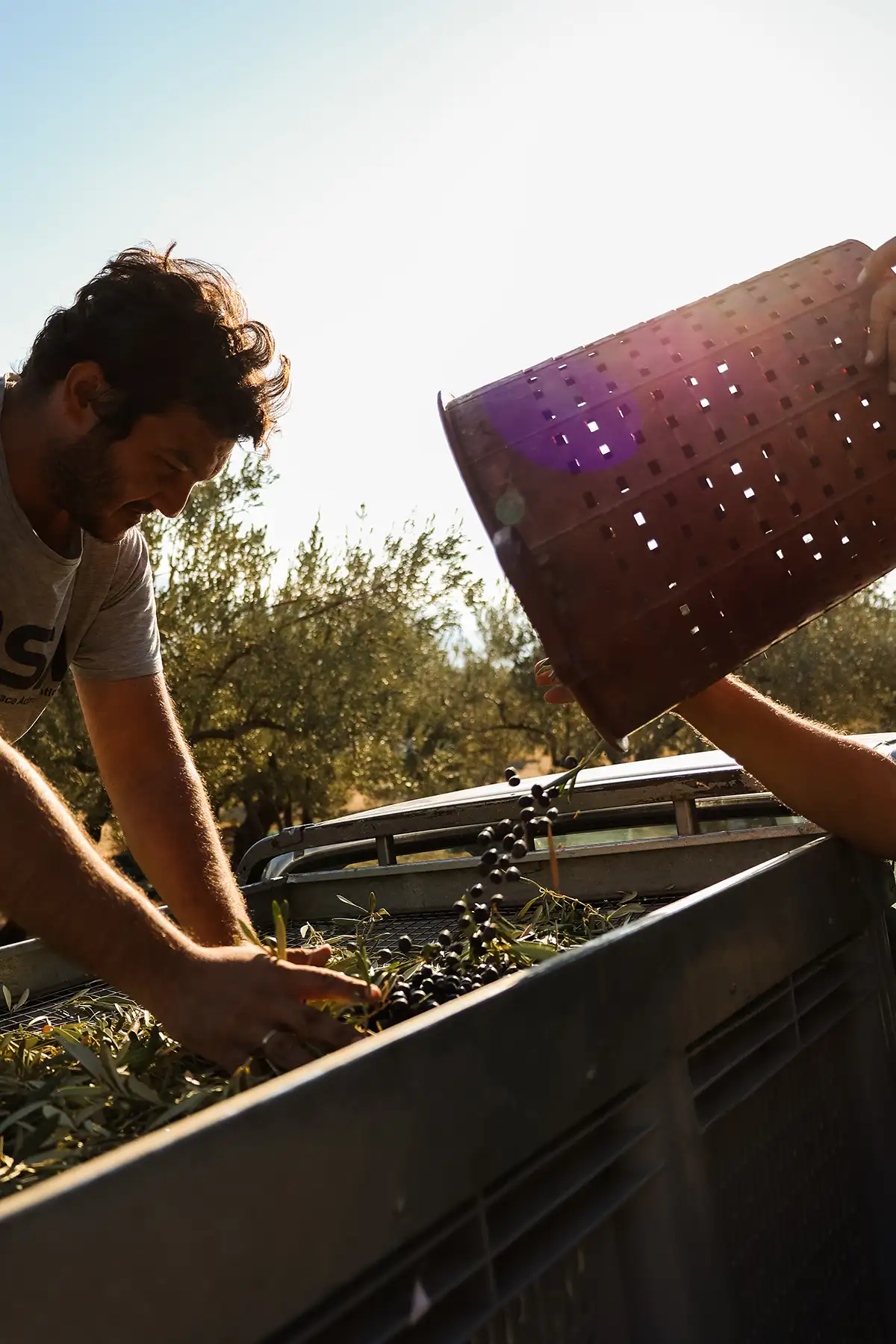 Across the Peloponnese, the refrain echoes: tales of quiet mastery passed down through families, with little fanfare. More than 80 per cent of Greece’s olive harvest becomes extra virgin olive oil – the highest proportion in Europe. Yet it has never had the clout or store presence of an Italian colossus – a Filippo Berio or Napolina. It’s not that Greece’s industry is short on skill; only on ambition to export, having long been content to keep the good stuff at home. But as prices soar, consumers are beginning to sniff out value wherever they can.
‘The craft runs deep here, but the marketing hasn’t been close to what you see in Italy,’ says Sarah Fulton Vachon, founder of Citizens of Soil. ‘Italians are brilliant at branding, but Greece has the soul – incredible terroir and dynamics of the land – which means it’s predominantly small producers, not on an industrial scale. It’s the best value in the Mediterranean.’
Sarah would know. An accredited olive oil sommelier, she bounces between Spain, Portugal, Italy, Croatia, Greece and South Africa, raising the profile of female farmers and sourcing small-batch oils for the company she runs with husband Michael. It began simply – helping a friend in Crete sell her oil for what it was worth – but soon gathered pace. ‘It became more than a pursuit of flavour,’ she says. ‘I wanted to find people doing right by the planet, right by their community and making award-winning olive oil in the process.’
One of those people is Marianna Devetzoglou, based near the Isthmus of Corinth. Also an accredited sommelier, she was already welcoming curious visitors to her family olive grove well before Sarah scouted out her oil. Marianna’s four-night harvest retreats allow guests to join her family during harvest, walk the groves, taste local wines and dine together under the stars. ‘I want people to see the hard work behind artisan olive oil,’ she says. ‘But also the value beyond pure economics: our health, our gastronomy, the full life cycle from tree to table.’
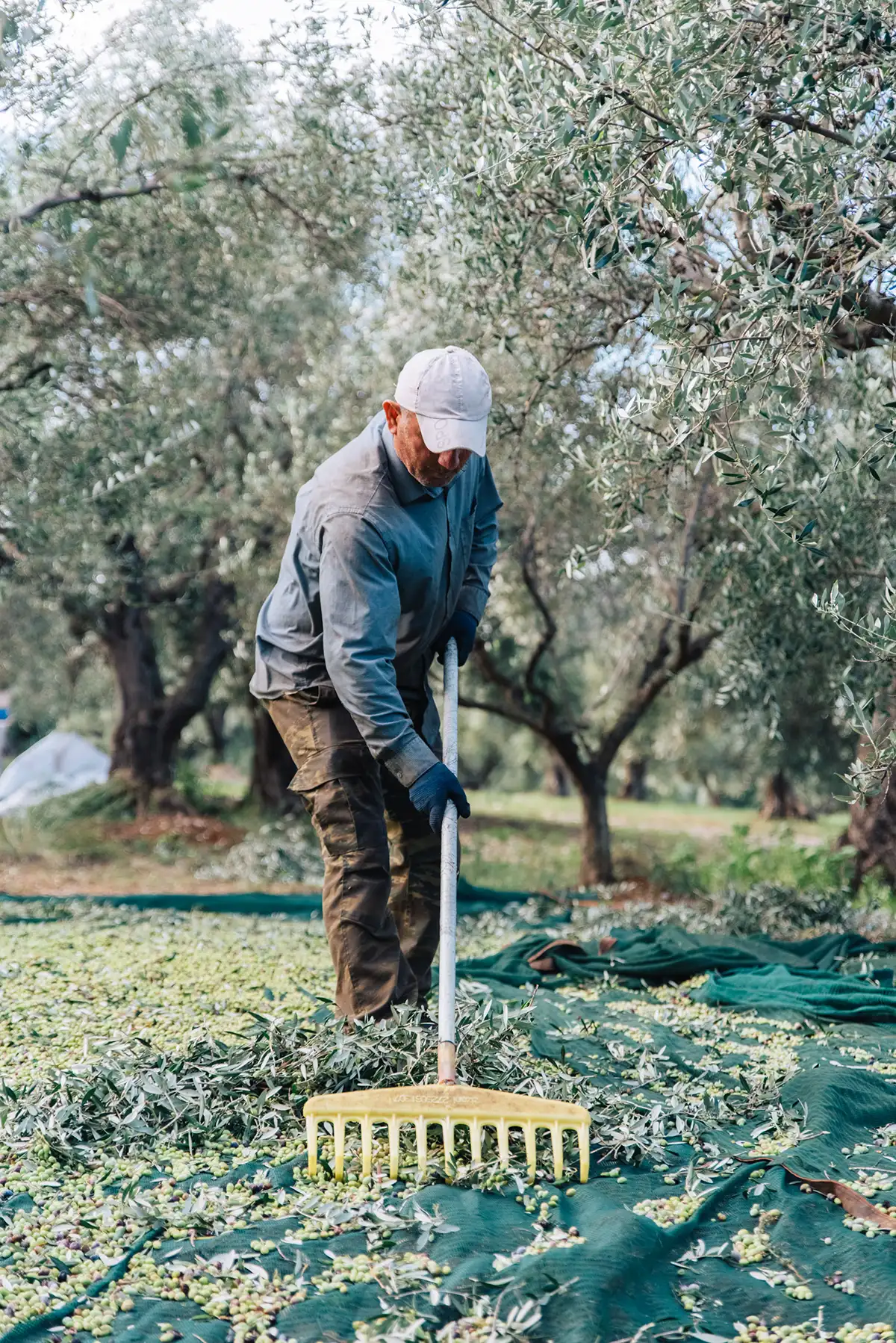 Half an hour down the road, in Nemea, Chris Sellas is just as evangelical. His family estate supplies the olive oil behind some of Odysea’s award-winning lines, now widely stocked in the UK. ‘Because olive oil is a kitchen staple, like salt or soap, we don’t always pay it enough attention,’ he says. That’s something Chris plans to change, though. The Sellas family aims to have opened a grove-side kitchen and tasting room by summer 2026. ‘Tasting olive oil isn’t just about sipping it side by side,’ Chris explains. ‘It needs food – and context.’ Around here, after all, they grow up on iathera – a rustic dish featuring vegetables slowly cooked in audacious quantities of olive oil.
Everyone here expects more visitors in the seasons ahead – travellers who want to get their hands dirty, understand the craft that’s long defined this region, and to taste its proceeds in their purest, freshest form. Of course, this isn’t one story but many. The Kalamata olive may have entered common parlance thanks to its huge popularity as an eating olive, but it’s just one character in a far richer cast. The Koroneiki – the so-called ‘queen of olives’ and Greece’s dominant cultivar – is often behind the grassiest of oils, while lesser-known varieties such as Manaki and Megaritiki are growing in popularity, thanks to their softer, more complex profiles. ‘Press the Megaritiki early and it has this dry, herbaceous note: unique, complex – very Greek,’ says Chris.
At each and every stage of the process, timing is everything. Successful smallholders have it down to a fine art. Olives picked and pressed within hours yield oils of unrivalled intensity. ‘The fresh stuff will blow you away when you taste it alongside an 11-month-old olive oil,’ says Tom, who takes pride in a slick turnaround, getting Honest Toil’s new-harvest bottles on the shelves in the UK by December.
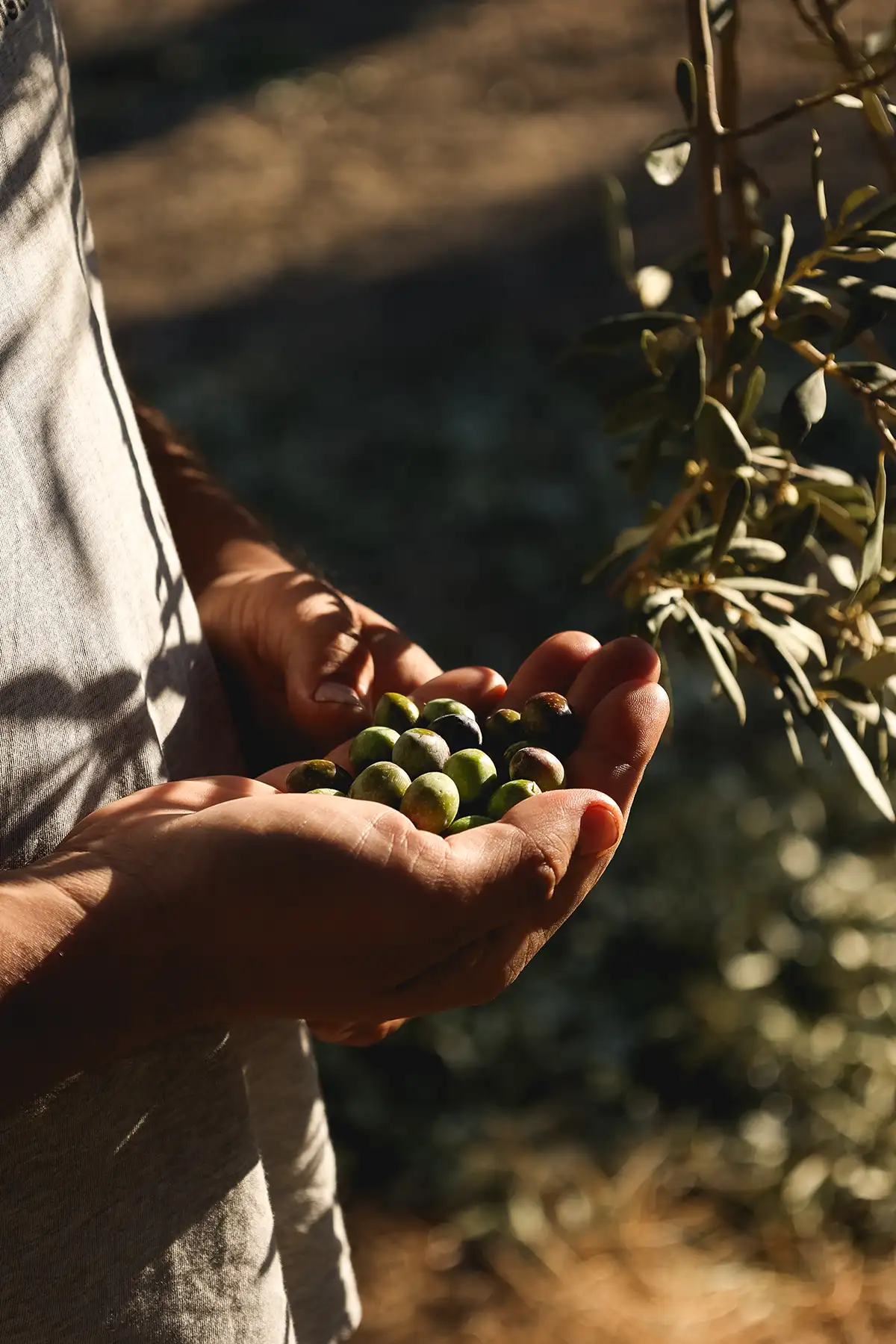 Increasingly, visitors want to experience that freshness first hand – to get stuck in, taste from the press and fill their suitcases at source, stocking up for the year ahead. And it’s not just a reaction to rising prices, but a rediscovery of Greece’s shoulder season – when the groves are alive, the beaches quiet and the mainland arguably at its most compelling.
It was what drew Tom to the region and today, 15 years on, it’s what keeps him here – firmly rooted in the Peloponnese, living by the rhythms of the land. Olive oil here isn’t some elusive luxury; it’s the heartbeat of everyday life. ‘If you want to understand it,’ he says, ‘just find a workers’ taverna in harvest season. Order a carafe of wine. Someone there will have been pressing that morning and, by the second glass of wine, you’ll have been roped in to help.’