
Europe has some of the most characterful, charming and downright delicious islands in the world, but, alas, it seems the whole world wants to visit. So here are six lesser-known, up-and-coming or revitalised gems where you can kick back and get ahead of the pack – and find great value too.
By Isabella Machin
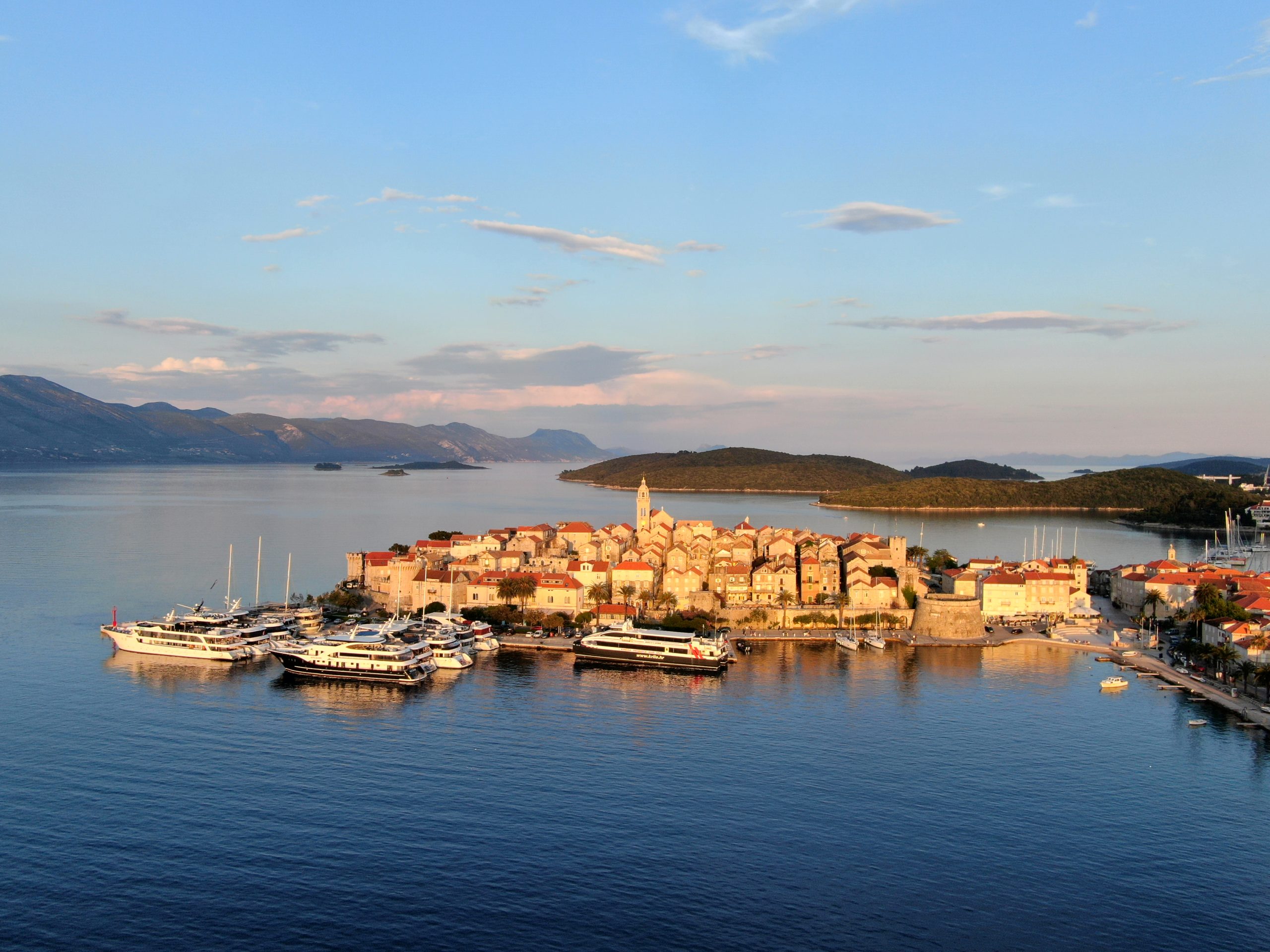
Hvar may be a regular on the superyacht circuit, but neighbouring Korčula flies under the radar. This pine-fringed sliver off Croatia’s Dalmatian coast is fast earning a culinary reputation to match that of its natural beauty. This evolution hasn’t come via flashy imports, but through a swelling tide of local talent, working with ingredients rooted in the island itself.
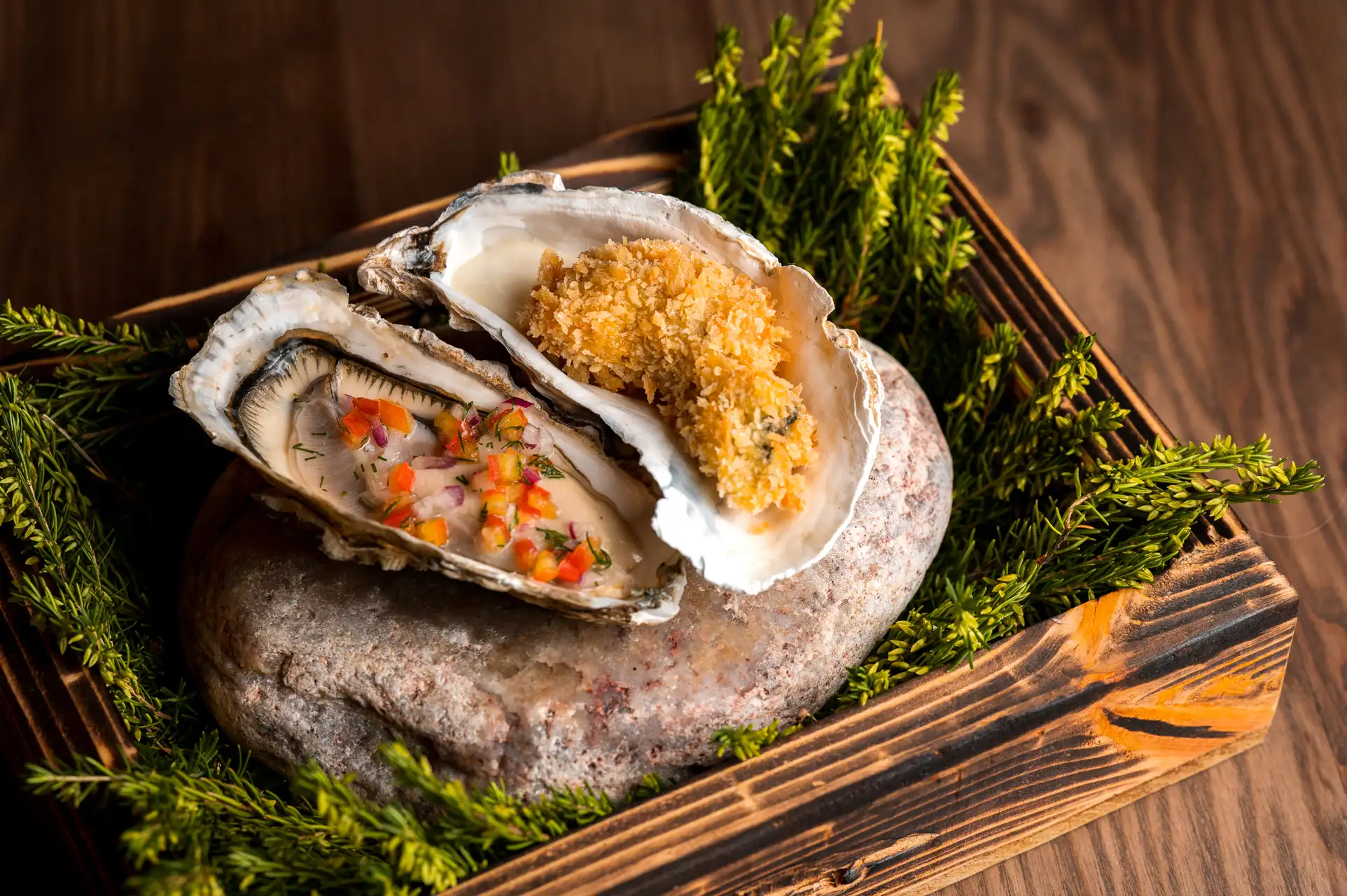
Start in the Old Town. Like a miniature Dubrovnik, its honey-hued, stone alleyways funnel sea breezes. At the Aminess Korčula Heritage Hotel, ex-Ledbury chef Matija Bogdan opened 7 Seas Restaurant & Bar in late spring, channelling the precision of the London stalwart in a dreamy seafront setting. Around the headland is LD Restaurant, helmed by fellow Croatian chef Marko Gajski. His Michelin-starred dishes – lamb slow-cooked in Prošek (a sweet Dalmatian wine) – feel right at home amid the grandeur of an 18th-century palace.
It’s remarkable how quickly the elegance of the Old Town gives way to wildness. Just a mile or so away lies the secluded Zrnovska Banja Bay, where the barefoot luxury of Tara’s Lodge and local taverns offer a welcome shift in pace. Inland, in the tiny hamlet of Pupnat, Konoba Mate is one of Korčula’s most authentic culinary experiences. Run by the Marelić family, it’s a slow-food institution: think generous platters of wild greens, goat’s cheese and handmade makaruni pasta; pastries filled with figs; liqueurs infused with lemon verbena and fennel.
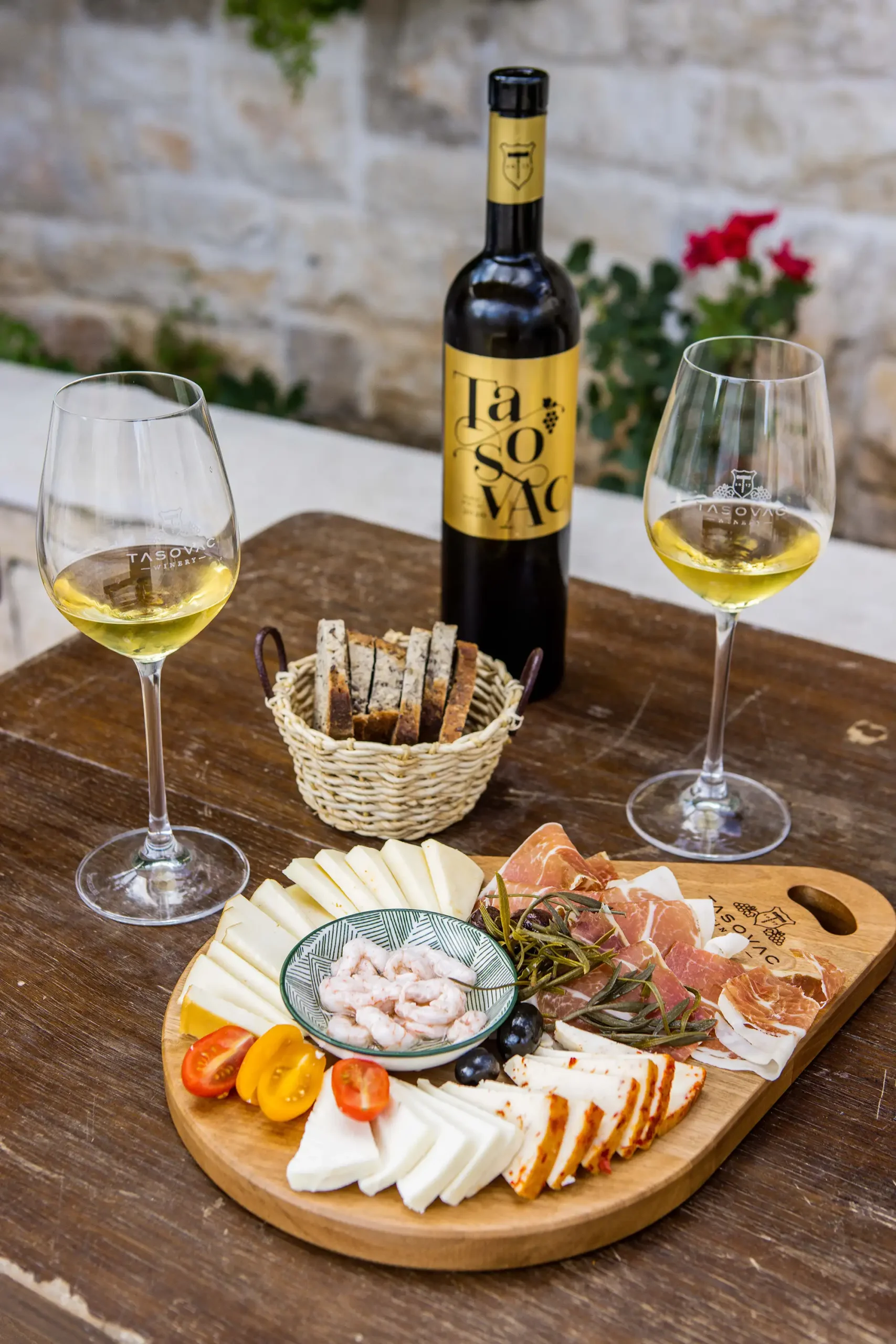
En route, pause at Tasovac Winery, a small family-run vineyard where winemaker Kristina Tasovac champions native grapes like grk and plavac mali – bold, mineral-driven wines shaped by sea winds and sun-scorched earth. With a chilled glass of Pošip in hand, it’s hard not to feel quietly triumphant – a few steps ahead of the crowd on this Adriatic gem. How to get there? Regular catamarans and ferries connect Korčula to Split and Dubrovnik during the high season (approx. 2.5-3 hours). Cars can be brought across from Orebić on the Pelješac Peninsula (approx. 15 mins).
Salina is the perfect base for exploring the Aeolian Islands – the fabled archipelago scattered across the Tyrrhenian Sea north of Sicily. Famed for its dolce far niente, or the art of pleasurable idleness, Salina offers the simplicity of a Greek island holiday, but with Italian verve, elegance and a touch of sprezzatura.
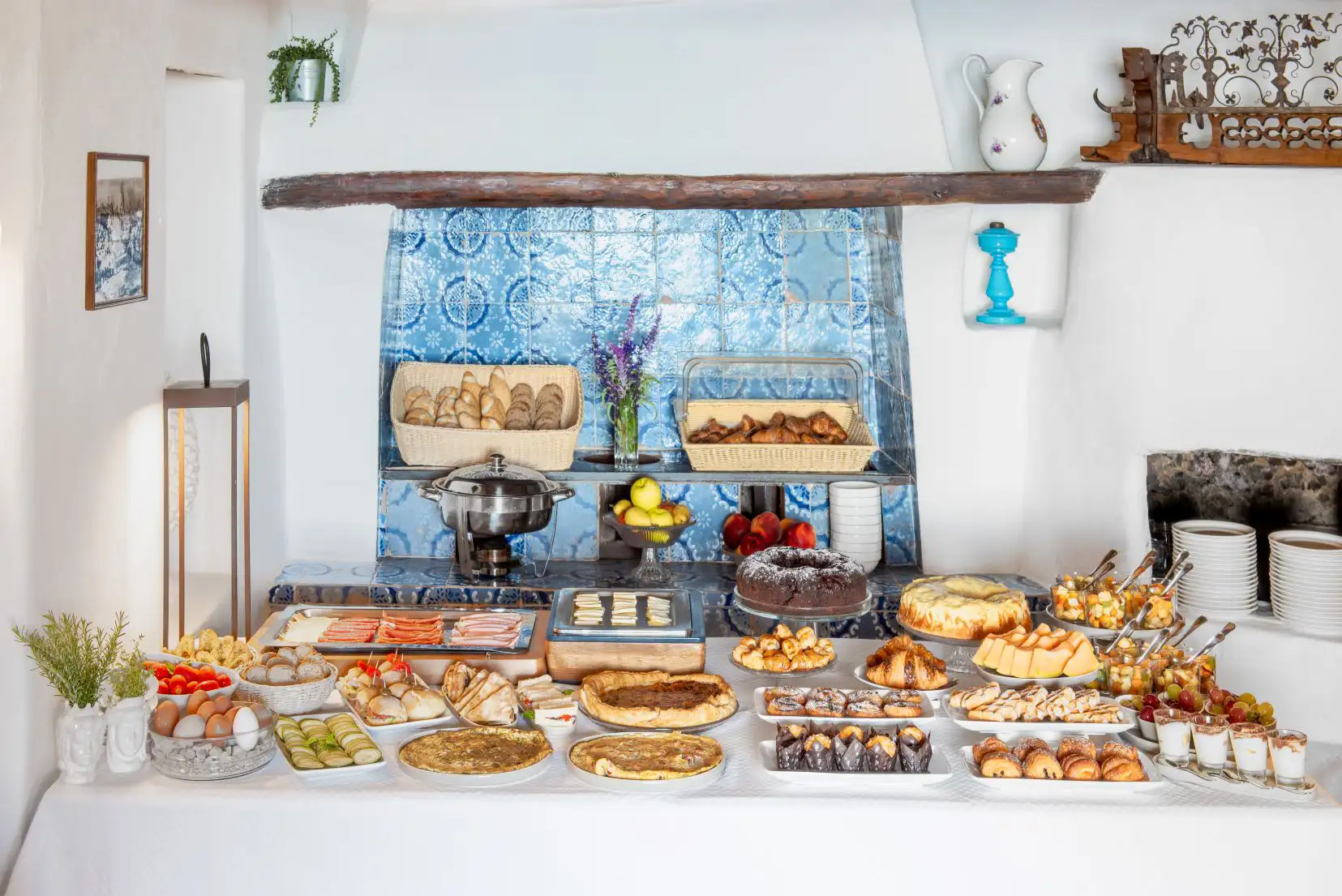
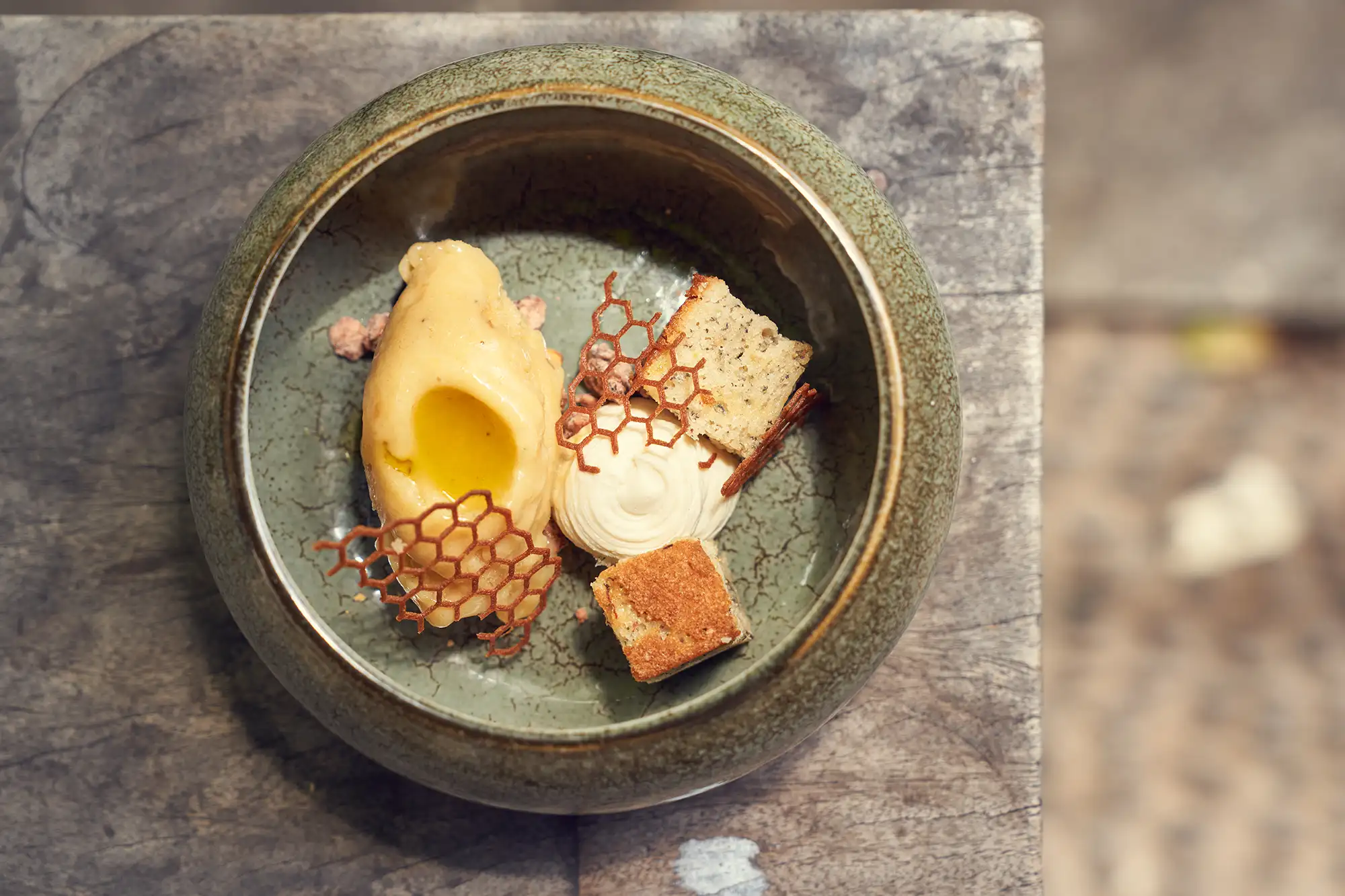
The ancient and picturesque town of Malfa, on the north coast, brims with culinary talent. At Hotel Signum, renowned young chef Martina Caruso is behind an array of bold, brilliant expressions of island terroir such as caper ice cream, and bagna cauda with raw sea urchin. Just up the hill is Principe di Salina, a 14-room retreat with a geothermal spa and a kitchen led by Silvana, a former surgeon whose cooking combines passion and precision. Also in town is Hotel Ravesi, recently reopened following a full renovation. Days in this family-run sanctuary begin with sprawling breakfasts – the cakes and jams made by Signora Ravesi herself – and are bookended with cocktails crafted using aromatics from barman Daniele’s garden.
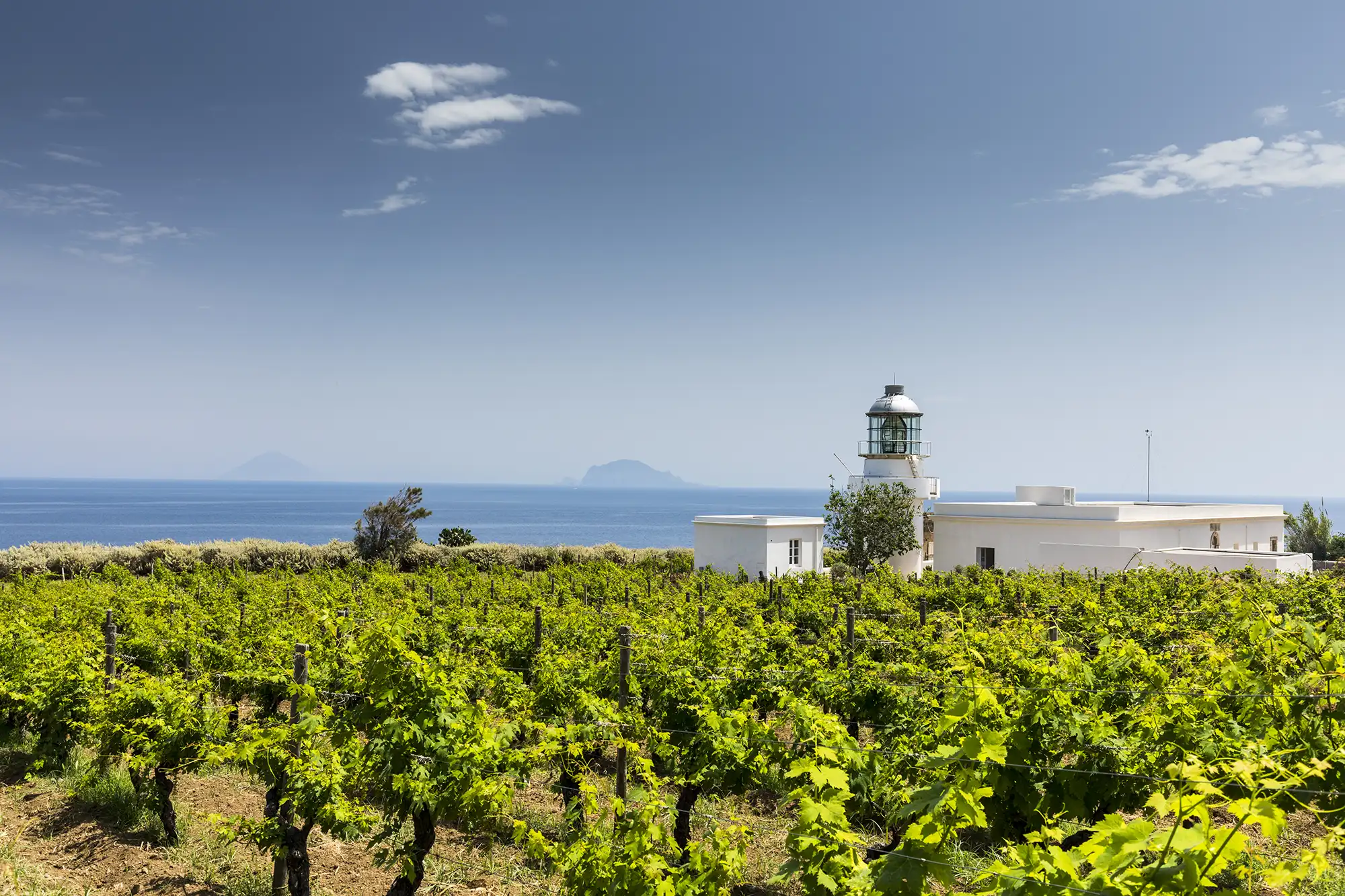
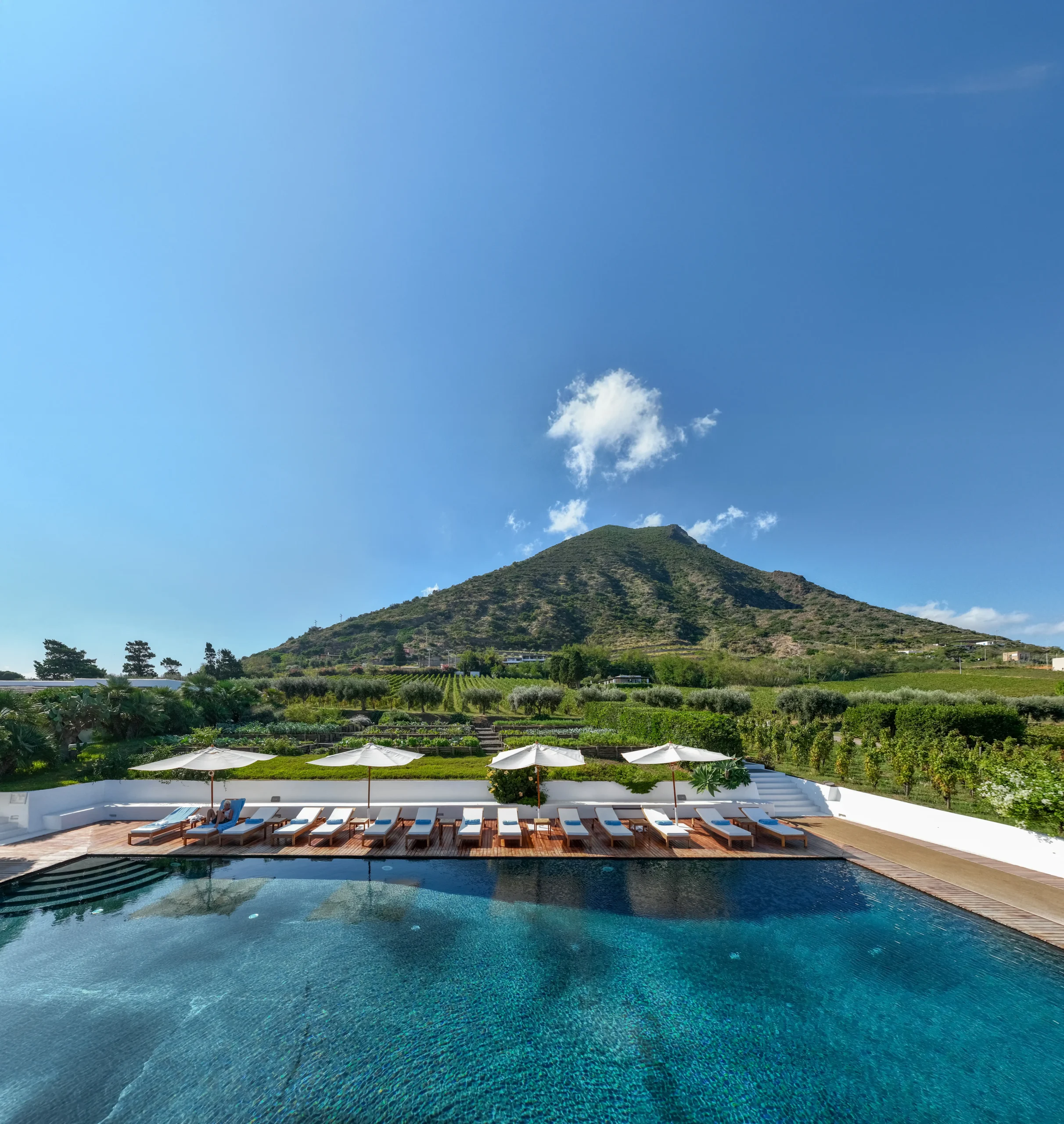
A few miles along the coast lies Capofaro, a Relais & Châteaux estate surrounded by malvasia vines that flourish in the foothills of an extinct volcano. Once part of the Tasca d’Almerita family estate, it is steeped in heritage: the kitchen specialises in Sicily’s noble monsù cuisine, while the 19th-century lighthouse and views of Stromboli and Panarea create a sense of timeless calm.
A road cuts through the island, making it a 20-minute drive from Malfa down to the fishing village of Rinella, famed for its black-sand beaches and, just as importantly, Pa.Pe.Ró al Glicine’s ricotta granita, studded with candied capers. For further adventures, make the one-hour ferry crossing from nearby Santa Marina to Stromboli. The island’s blackened volcanic slopes are fertile ground for hikers, while the sun-drenched streets off Piazza San Vincenzo are rich hunting grounds for pastries and gelato. How to get there? From Milazzo (north-east Sicily), ferry and hydrofoil services connect to Salina, Stromboli and other Aeolian Islands. Seasonal routes also run from Naples and Messina.
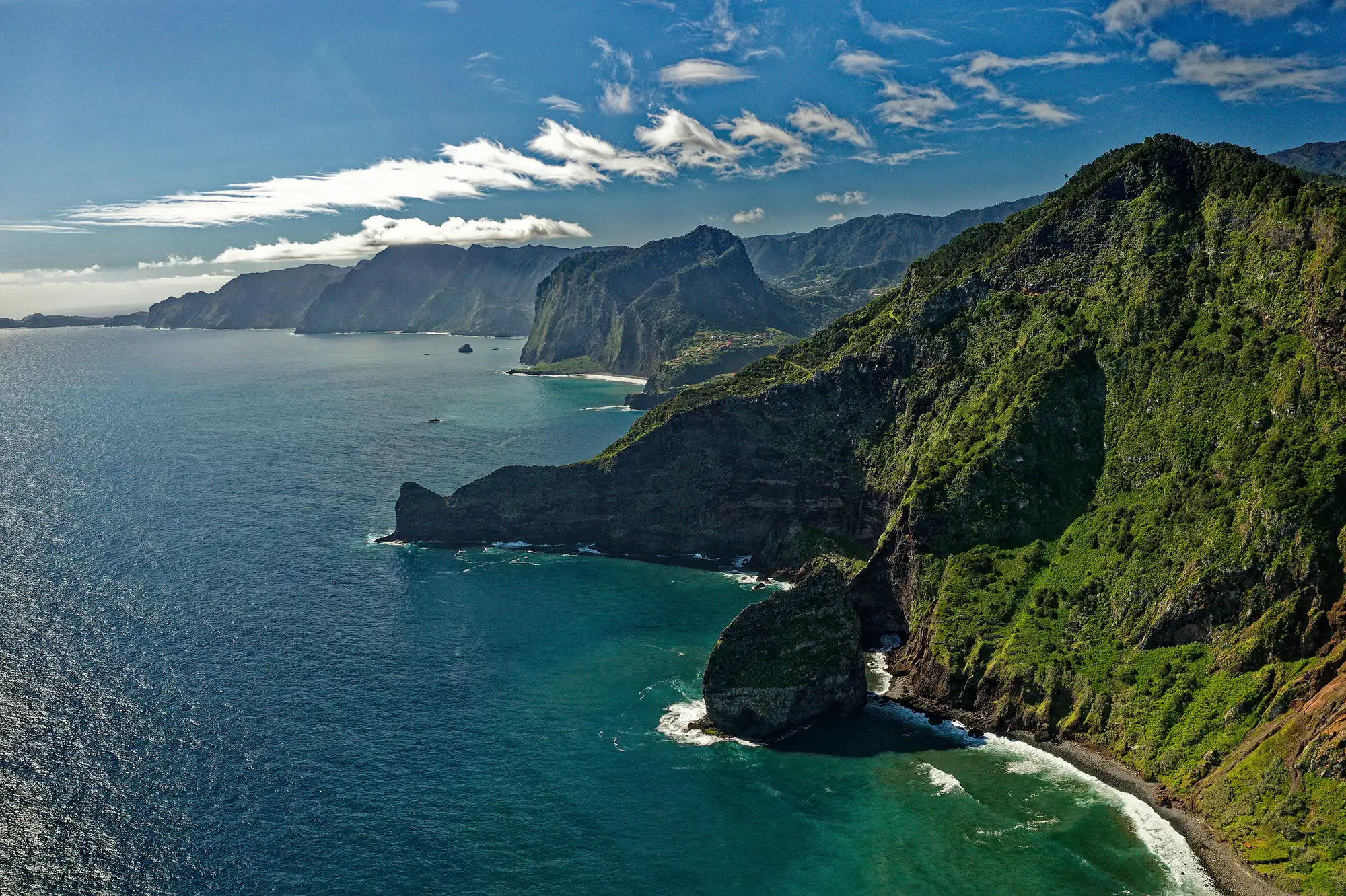
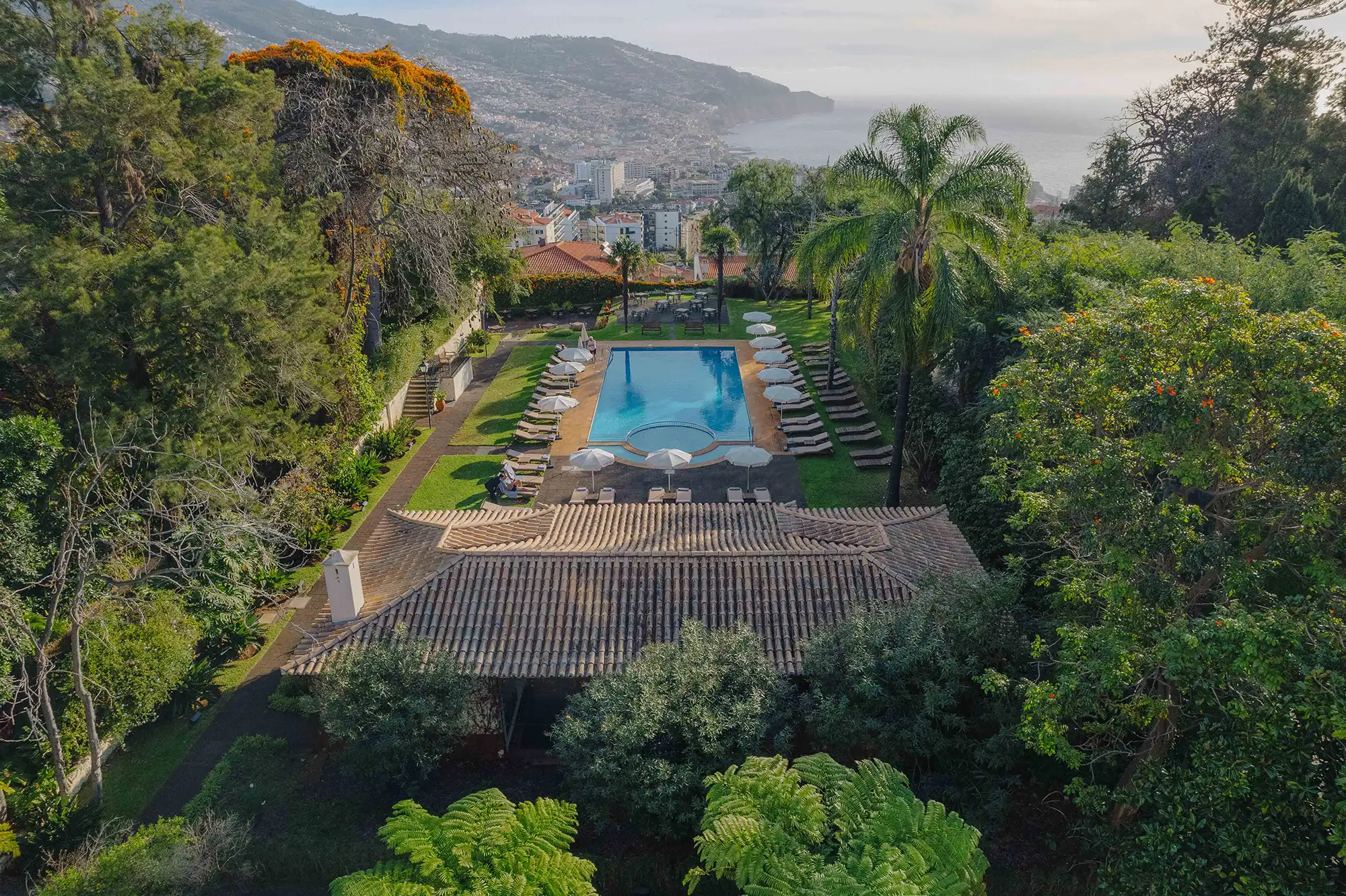
Traditionally seen as a sleepy escape for seasoned travellers, Madeira has long appealed to those in search of rest over revelry. While Funchal (the island’s capital) still charms with its jacaranda-lined promenades, mellow climate and bay leaf scented dishes, it’s quietly undergoing a transformation. A flurry of hotel launches, improved transport links and no fewer than five restaurants that earned their first Michelin star this year (Ákua, Audax, Avista Ásia, Gazebo, Oxalis) are nudging the city towards that elusive status of gastronomic destination.
The newly launched Three House Hotel (doubles from £120) is a great base for exploration – its 13 serviced apartments in the centre of town living up to their claim of being a ‘home away from home’, albeit one with a saltwater rooftop pool and fresh pastries dropped off on the doorstep each morning. Classics continue to offer great value. Quinta da Bela Vista (doubles from £150) encapsulates the attentiveness and elegance of old-world hospitality. If the lush gardens of this colonial-era house perched above Funchal don’t win you over, the crème brûlée with Madeira wine in its Manor House dining room will.
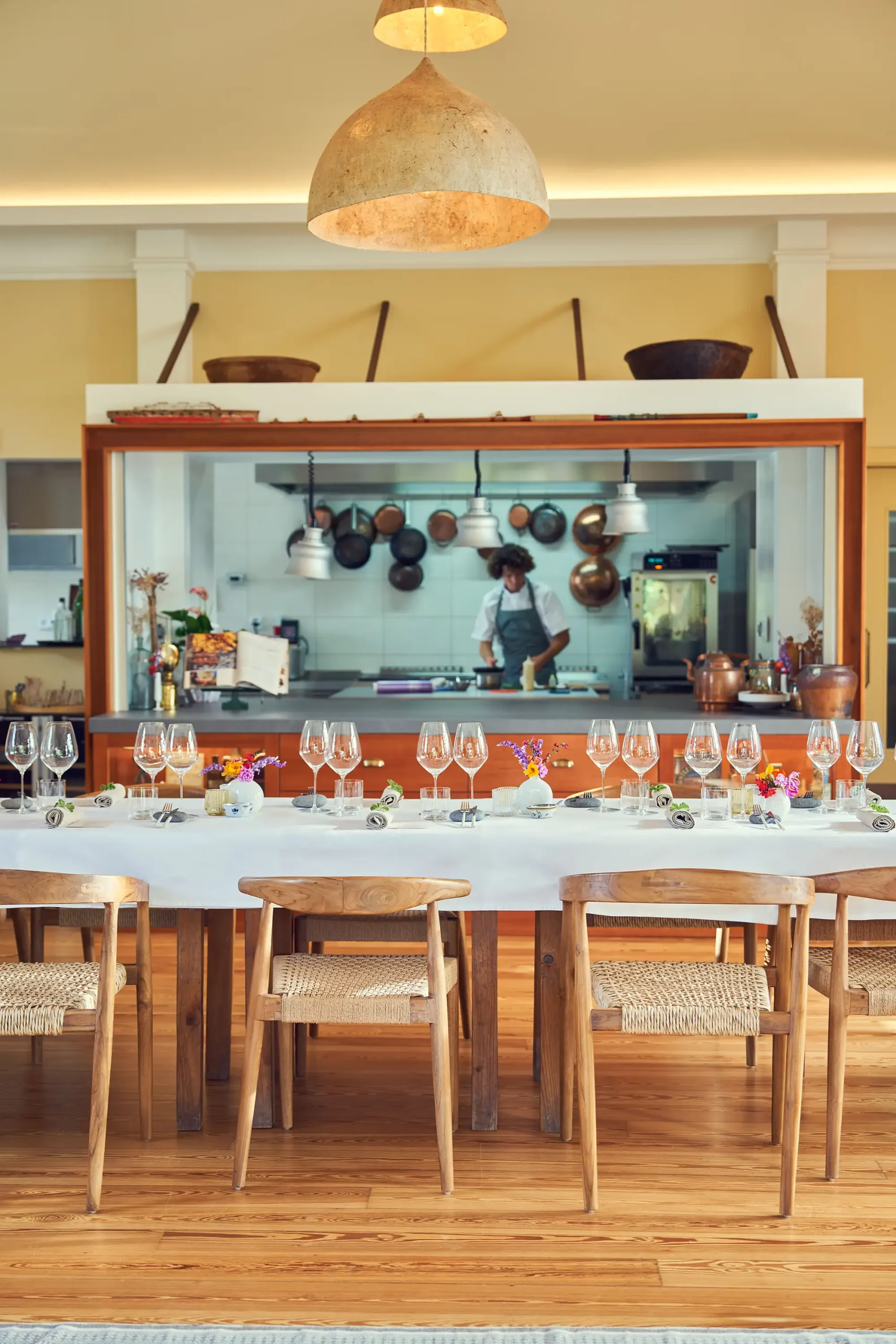
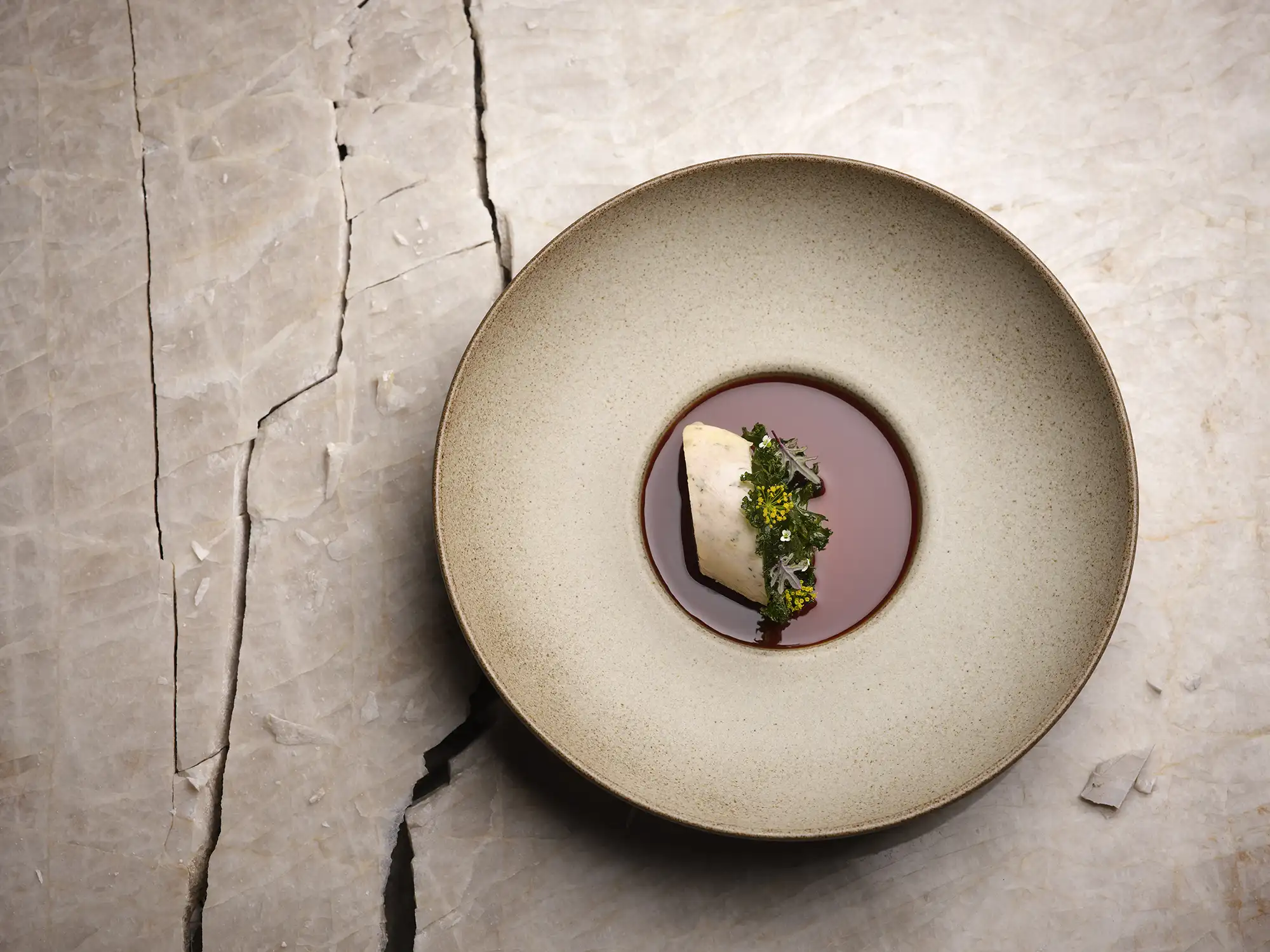
Just don’t mistake ‘classic’ for ‘stuffy’. Though set adrift some 600 miles from mainland Portugal (making it closer to Africa than Europe), Madeira’s sun-ripened produce attracts ambitious young chefs to the island. Take Filipe Janeiro of Gazebo. There’s no foam, no fuss and no heavy linen drapery in his high-flying restaurant; just a showcase of island ingredients and cutting-edge cuisine served up in a traditional, timeless setting. Tables are nestled in corners of his family home and a highlight for the young team is the monthly tasting menu hosted around a communal table (five courses, £70pp). In Funchal, time-honoured elegance and new-school ambition now share the stage. The result? Something well worth travelling for. How to get there? Several airlines offer direct flights from the UK to Funchal, with multiple flights (approx. 4 hours) a day scheduled until the end of the summer season.
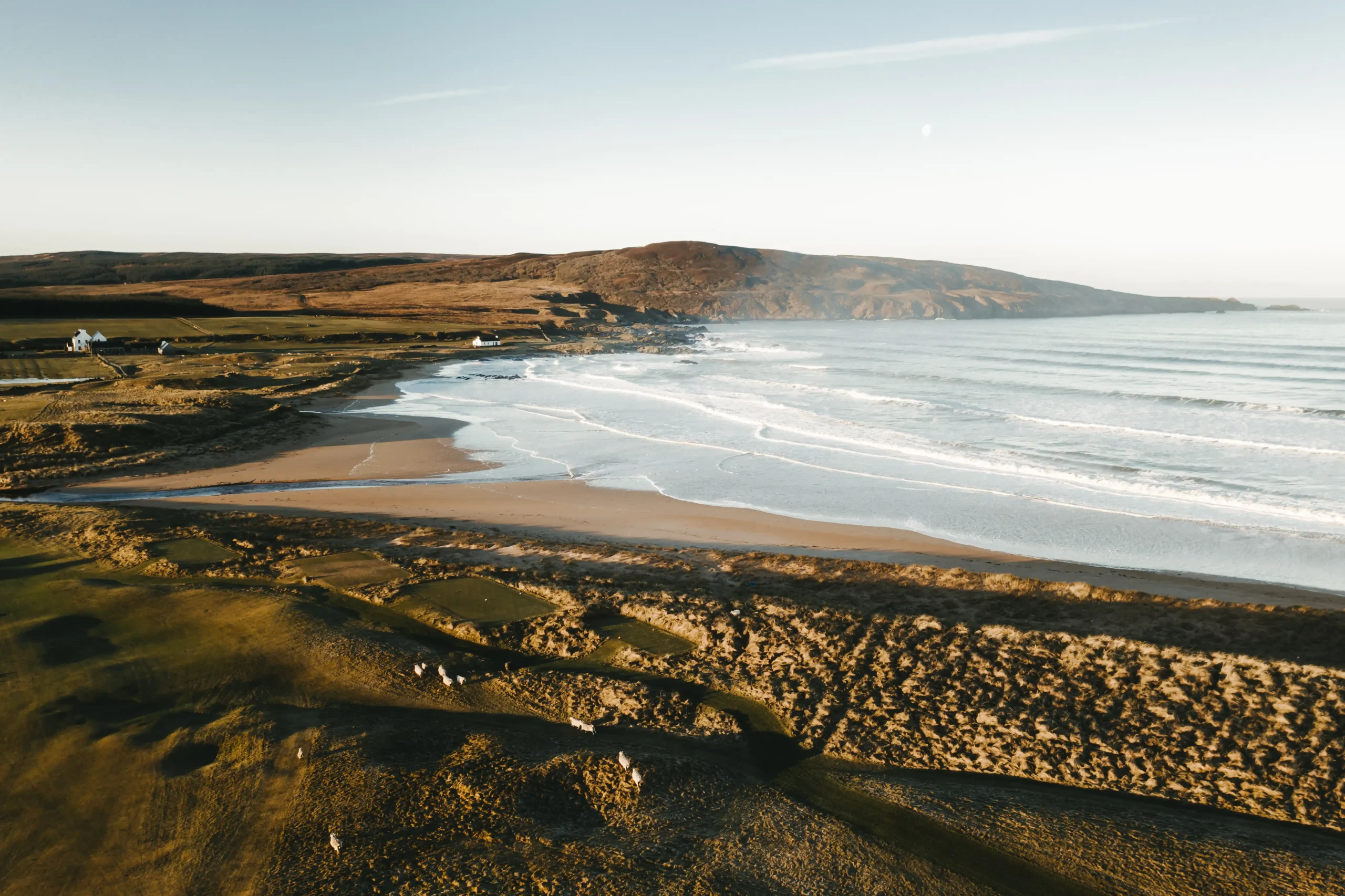
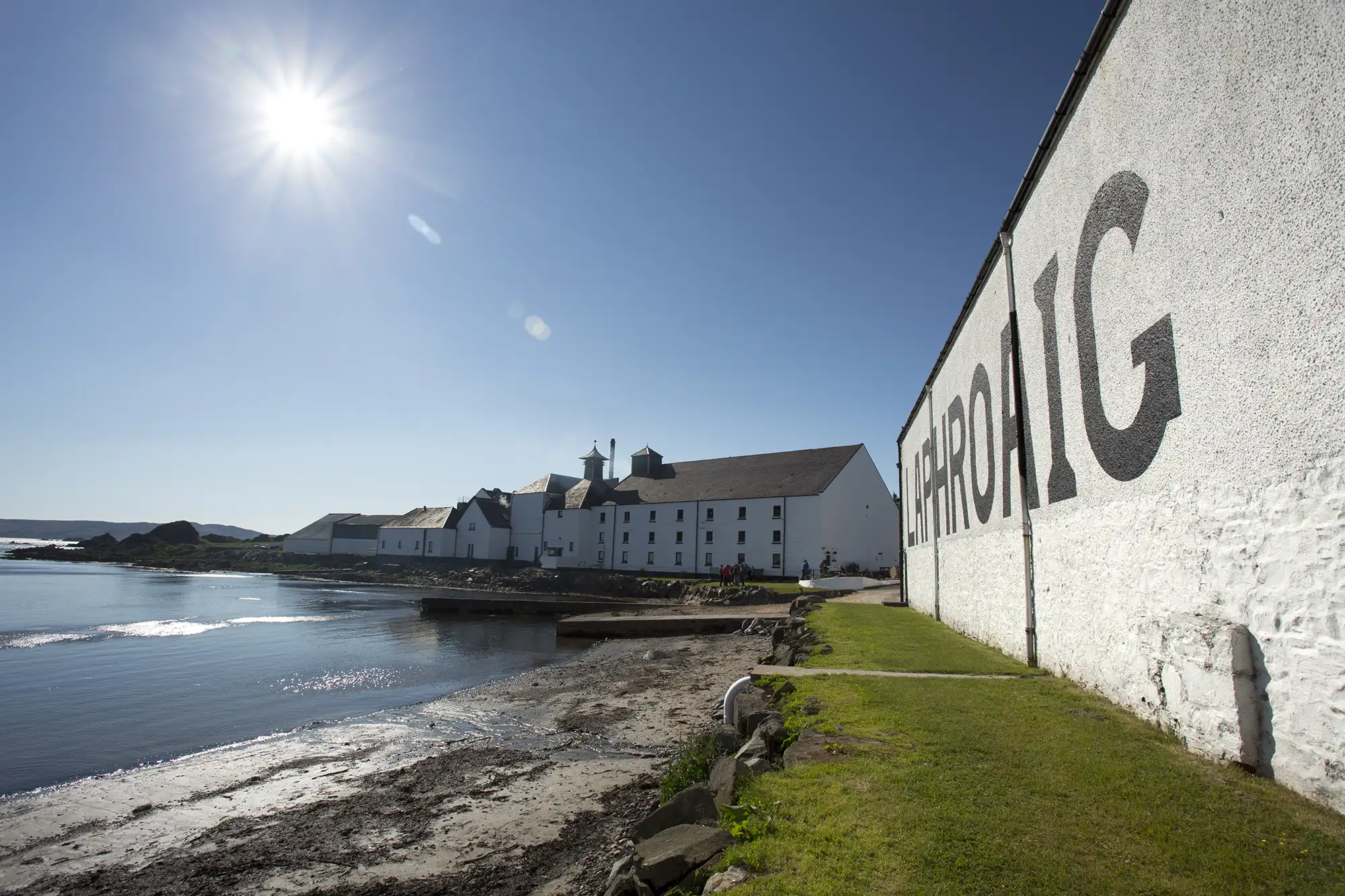
Islay, ‘The Queen of the Hebrides’, is the southernmost of the 15 inhabited islands scattered off Scotland’s west coast. While Skye strains under the weight of over-tourism, Islay benefits from a robust infrastructure, thanks in large part to its thriving whisky industry – though its white-sand beaches and rolling dunes are as much of a draw as its famously peaty single malts.
On the seven-mile stretch of golden sand that is Laggan Bay, The Machrie is entering its first summer under the ownership of Another Place. Known for its barefoot-luxury hotels in Watergate Bay and the Lake District, the brand is breathing new life into the late-19th-century links hotel that sits just above the dunes. Meanwhile, Glenmorangie (of LVMH fame) is nearing completion of Ardbeg House in Port Ellen, a full-scale renovation by Russell Sage Studio: the 12-room boutique hotel is now open for bookings ahead of its autumn 2025 debut. The island’s 12th whisky distillery, Laggan Bay is also on track to open later this year, while the stately Islay House – founded in 1677 by the Laird of Cawdor – is operating on a limited b&b basis ahead of a full reopening in early 2026.
The food scene here is endearingly unpretentious – more about freshness than finesse – from the whopping langoustines at Lochindaal Seafood Kitchen to the crispest Islay ale-battered fish and chips at The Bridgend Hotel. For the adventurous, the Islay Natural History Trust runs a seasonal calendar of events, including seaweed-foraging walks – sometimes led by James Donaldson, head forager at The Botanist Gin. Further afield, it’s just a short hop to neighbouring Jura, where The Antlers Bakehouse & Bar is making waves, as is Lussa Gin – a female founded, award-winning micro-distillery. Like so much here, its botanicals (lemon thyme, bog myrtle and Scots pine) reflect the landscape itself: rugged, refined and deliciously wild. How to get there? Fly direct from Glasgow to Islay (approx. 45 mins), or drive to Kennacraig on Scotland’s west coast and take a CalMac ferry (approx 2 hours). calmac.co.uk
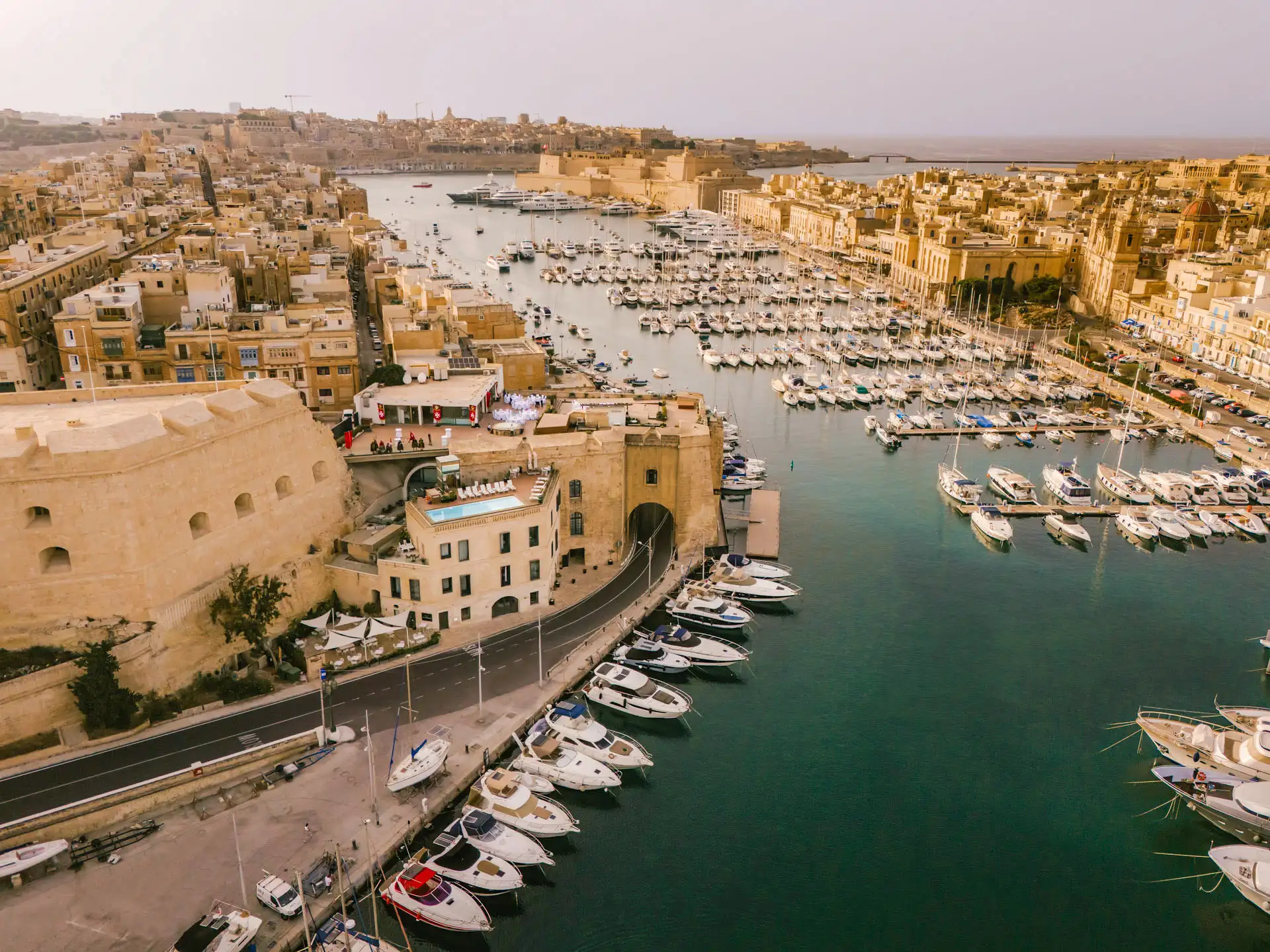
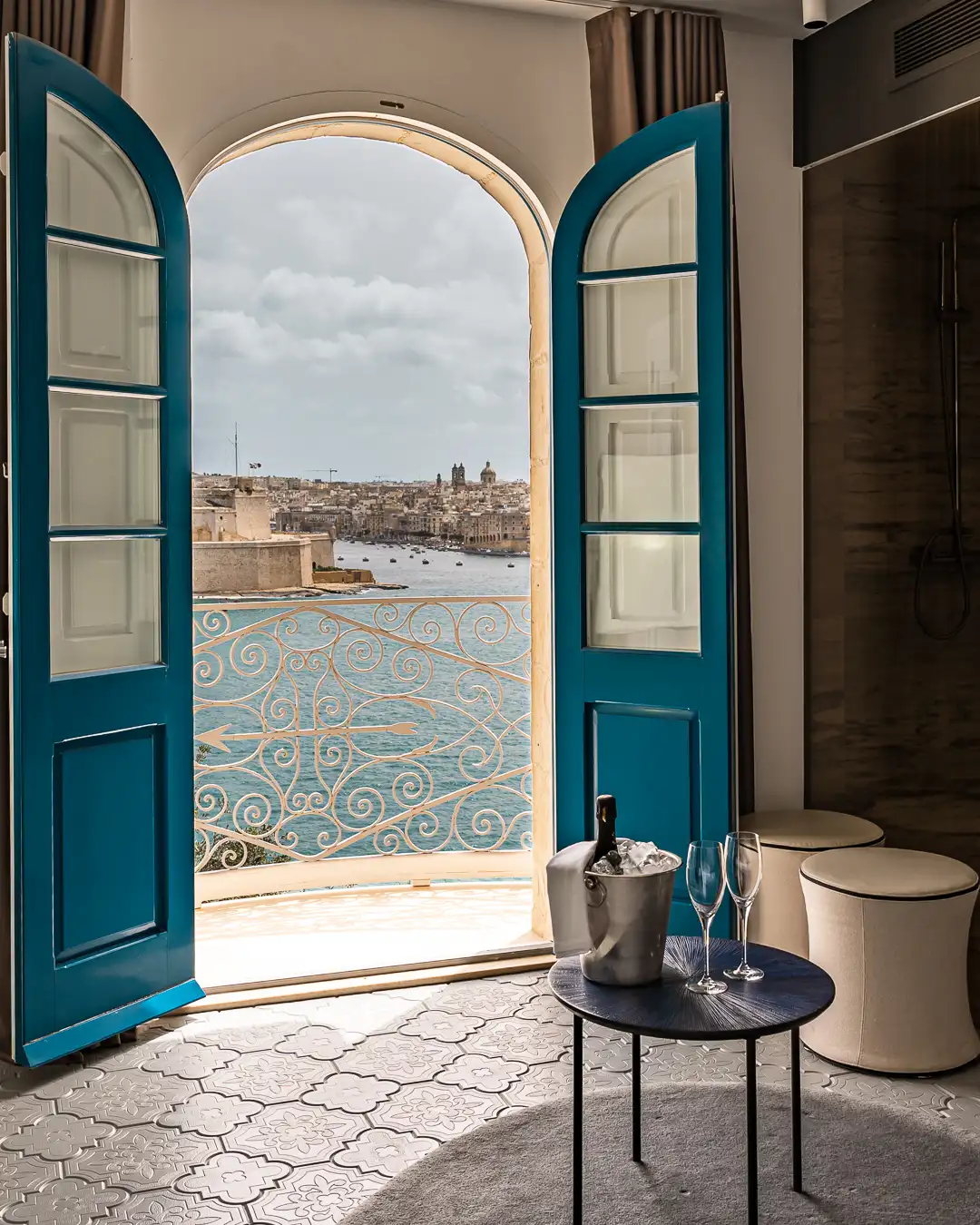
Malta has long appealed to those in the know, without ever fully stepping into the Mediterranean limelight. Valletta, the high baroque capital, has its loyalists, but lately, the island’s energy has hopped around the headland towards the coastal cool of St Julian’s. Boasting rooftop bars, Michelin stars and plenty of value, this once-overlooked seaside enclave is having a moment.
ME Malta by Meliá delivers striking design at standout rates – the Zaha Hadid-conceived hotel comes complete with rooftop pool. Nearby, Hotel Juliani and HOLM Boutique & Spa represent a fresh generation of design-led stays in the heart of town. And then there’s Rosamì, which is a world apart in both tone and texture. Housed in a 19th-century villa overlooking Balluta Bay, it recently earned the area’s first Michelin star and signals a rising tide of culinary ambition.
If the cathedrals and Caravaggios of the capital start calling, Valletta is just a 15-minute taxi ride away, or a scenic ferry ride across the harbour. There, ION Harbour is hitting its stride. Now in its third year under Simon Rogan of L’Enclume fame, and newly crowned as Malta’s first two-Michelin-star restaurant, it sits within Iniala Harbour House, one of the capital’s most stylish boutique stays. Valletta’s hotel scene is hotting up too. This autumn brings the launch of Romègas Hotel, housed within a 500-year-old palazzo (with homegrown talent Marvin Gauci rumoured to be heading up the kitchen), while just across the bay, Cugó Gran Vittoriosa is set to open in serious style.
There’s also a revived curiosity in the island’s ingredients. Just a short drive inland, the Grima Olive Grove is home to 600 ancient Bidni trees, producing a prized, peppery olive oil in tiny batches. Nearby, Ta’ Betta Wine Estates hosts Picnic in the Vines throughout July. And, for a deeper dive into island cuisine, the Malta Culinary Academy offers hands-on courses in everything from pastasciutta to pistachio tart. How to get there? Numerous UK airports offer direct flights (approx. 3.5 hours) to Malta International Airport.
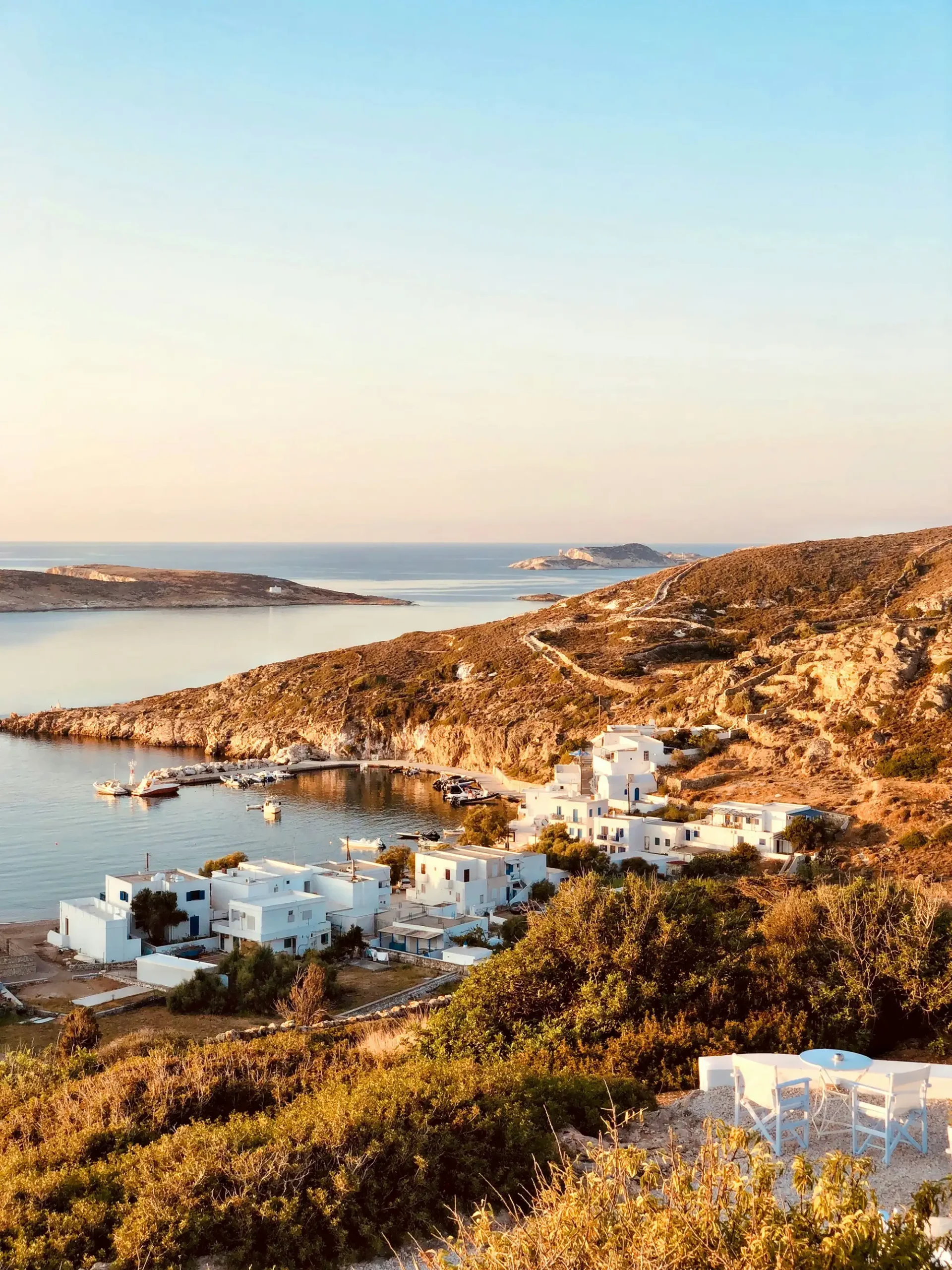
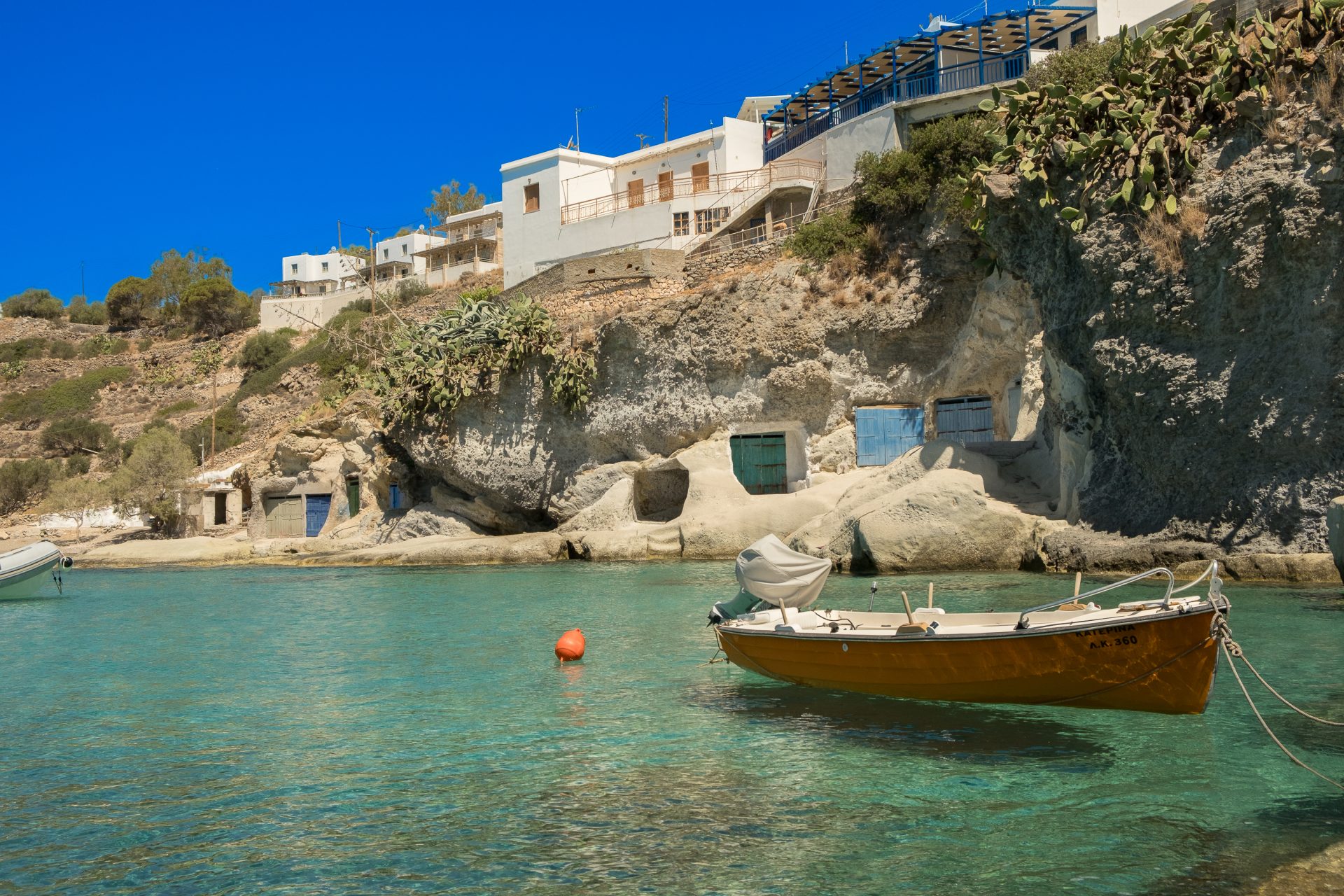
An Aegean island in the south-west Cyclades, Kimolos has a raw and unfiltered character. Boathouses are chiselled into the pumiced coastline, while Skiadi Rock is a gravity-defying, mushroom-shaped boulder hewn by the wind over millennia.
Yet change is afoot. Earlier this summer, Espera Suites opened as the island’s first five-star boutique hotel: a sanctuary in the quiet village of Kalamitsi. Its 14 split-level suites each have private patios and panoramic views, while chef Dimitris Dimitriadis sends out elegant dinners – the likes of ekmek with sheep’s milk ice cream, cherries, pistachio cream and crispy shredded filo. Also enjoying its first full season is Anemolethe Suites, a design-led base already gaining a reputation for its sumptuous breakfasts, sea views and shaded terraces.
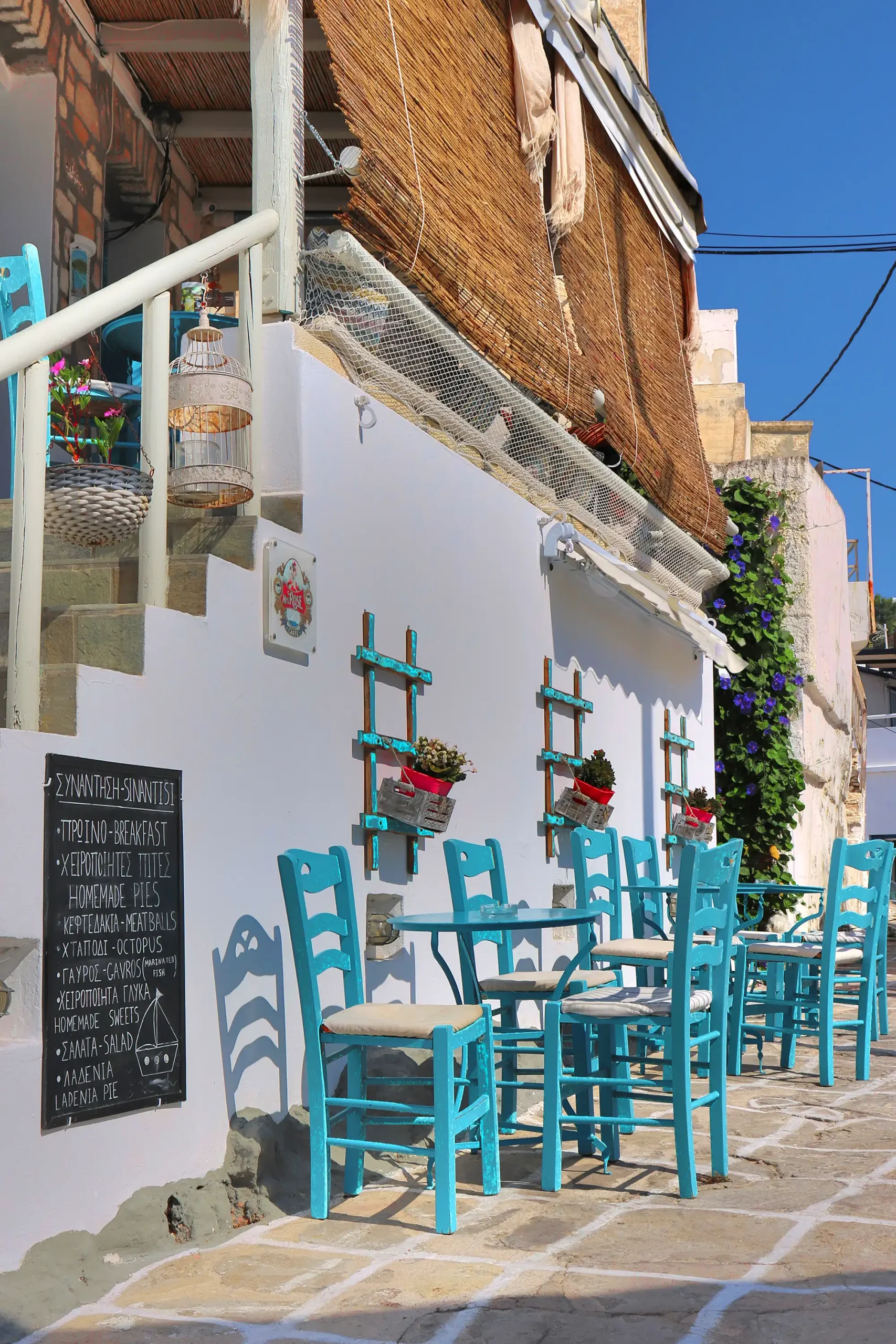
But this is no sweeping transformation. Chorio, with its maze like alleyways, retains its slow-paced charm. Augustus Galanos, who runs Bay Cruises, is also chef at the family taverna Meltemi, just around the corner from Kali Kardia, where tables spill on to the street and an optimistic cat tails waiters ferrying roasted goat to diners. You’ll find local cheeses at Samplo’s Farm Shop, and ladenia (a tomato flatbread) at bakeries all over. The closest thing to a modern pulse might be Agora Cocktail, a bar serving superlative drinks behind an innocuous blue door.
Kimolos’s tourism scene has long been led almost solely by Aria Hotels, with options ranging from a converted windmill to Elephant Beach House, named after a rocky coastal formation. At heart, this is still an agricultural island. Its open-air cinema, Cine Kalisperitis, is a case in point, run by volunteers who host free screenings for locals and visitors alike. Stay long enough and you stop feeling like a visitor – just another regular at the bakery, the taverna and the cinema beneath the stars. How to get there? A ferry connects Kimolos to Milos via Pollonia (approx. 30 mins), running multiple times a day in high season. The nearest airport is Milos National Airport (approx. 45 mins from Athens), from where it’s a short taxi ride to the ferry.