
I cried as I approached the Colosseum. It was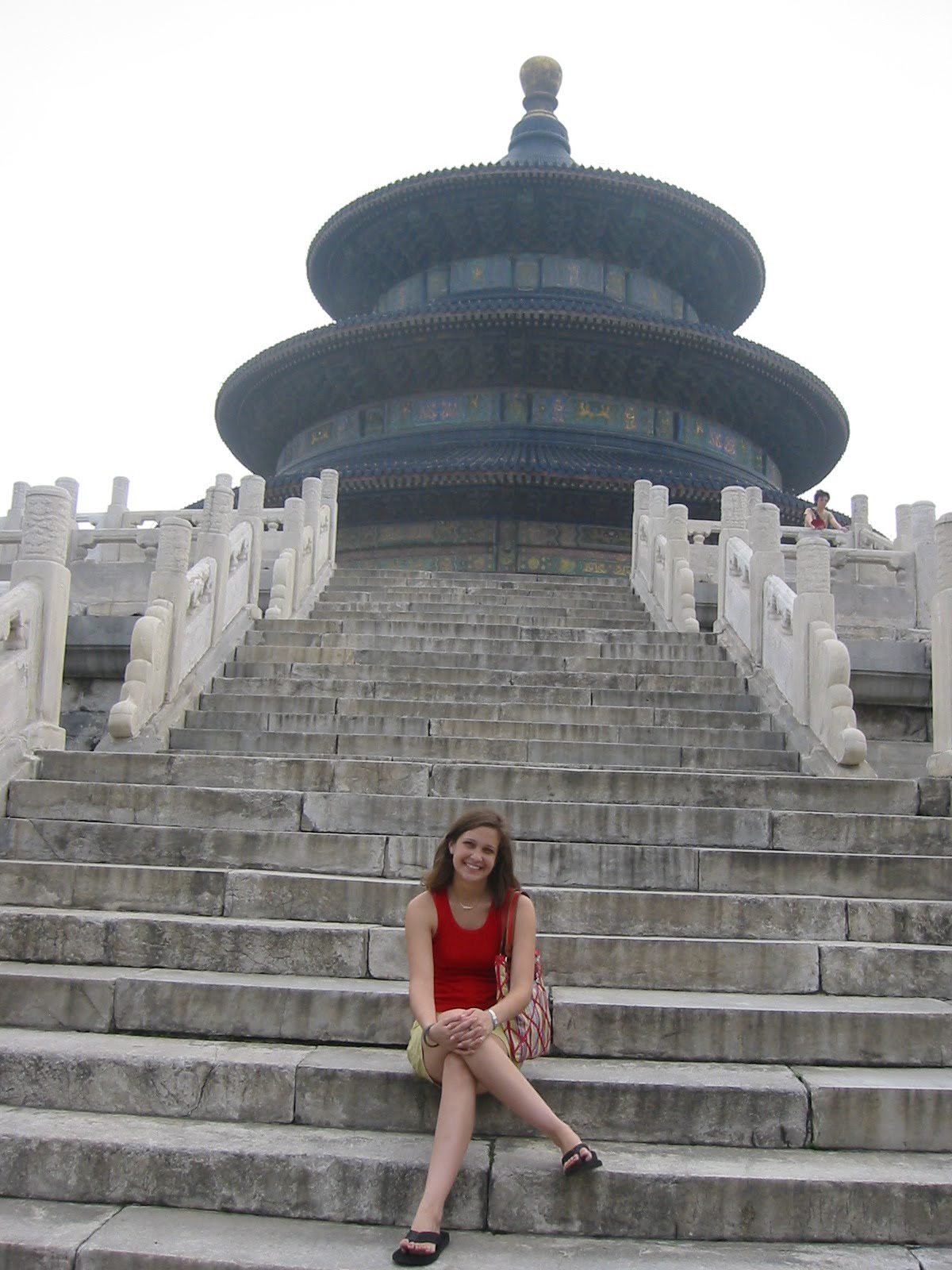 2010 and I was 29, and it was my first time in Rome; my first time in Italy. And it was a dream come true. I’d made it. I’d finally made it. Italy. Rome. The Colosseum. All 15-year-old Anna had wanted was to spend the summer of 1997 in Italy. I had done the research myself. Sent away for the brochures in the mail. Devoured them with gusto and anticipation. And picked one: a six-week archaeological programme in Rome. I wanted it so badly. So very badly, in fact, that I screamed and cried and threw a fit like only a teenage girl can when my parents told me there was ‘no way over their dead bodies’ that I would be living la dolce vita and fulfilling my Roman Indiana Jones dreams.
You see, the previous summer, I had been caught drinking while at French school in Switzerland. Oh, and smoking too. I had wanted to be cool; to fit in with the kids from Connecticut and New York City, so I smoked some Marlboro Reds and got drunk for the first time on Malibu and Coke at a discothèque in Château-d’Oex. Thanks to my tattletale sister, my parents found out and, consequently, unlike the summer of 1996, the summer of 1997 would NOT be spent in Europe – but rather on the other side of the world, in a country entirely foreign and frightening to me.
I cried before I boarded my China-bound plane, surrounded by my family because it was pre-9/11 and airport hellos and goodbyes were still said at the gates, not on the other side of passenger-only security barriers. I was 15, alone and headed to Asia, and I was terrified.
It’s very hard today to imagine or remember how much of an unknown China was in 1997. The world was an entirely different place. The internet barely existed. There was no social media. China wasn’t even in the World Trade Organization. Bill Clinton was president. Princess Diana was alive. Ricky Martin was a sex symbol… for straight women.
China existed for me back then only as a jumble of images – Mao-collar-wearing ‘communists’, seas of black bicycles, a man in front of a tank, the colour red, and questions – Did they really eat dogs? What was I going to eat? Was I going to get malaria? Or, worse, die? – that overwhelmed and frightened me. But once I arrived in Shanghai, my world and my life changed for ever. I didn’t die in China that summer; on the contrary, I came alive.
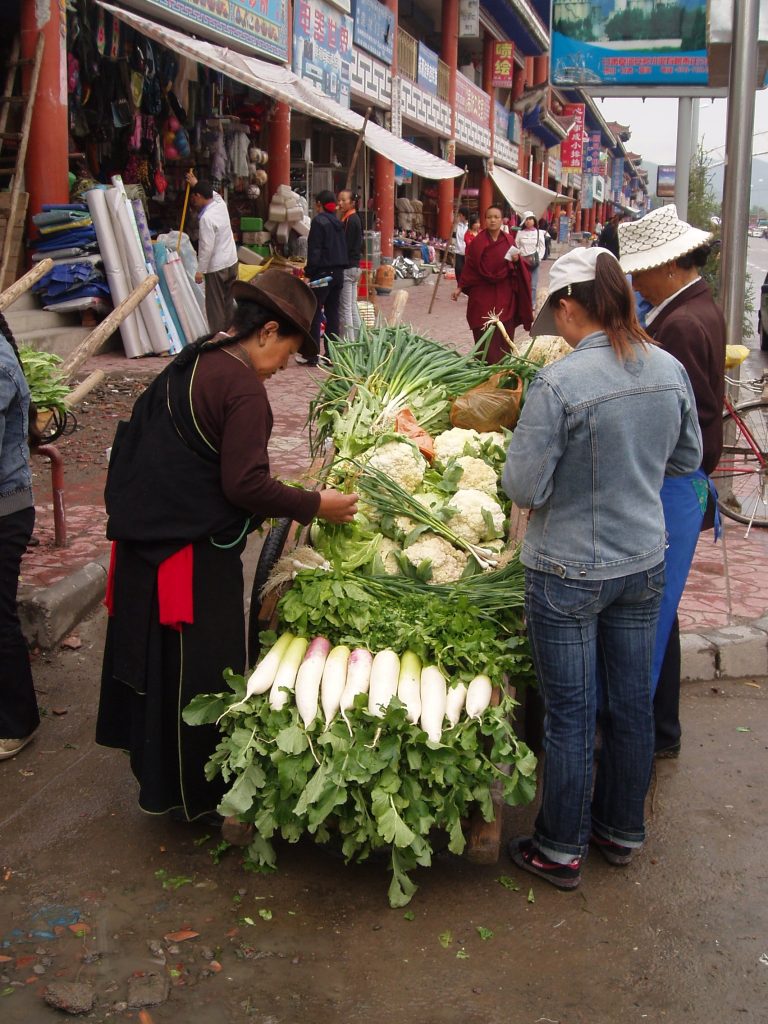
Being in a place so different, unknown and vast was thrilling for a Midwestern American teenager. It wasn’t scary at all; it was exhilarating. And it was exhilarating in a way Michigan wasn’t and Switzerland wasn’t. It was sensory overload and I loved it.
I returned to China the following year, for a year. And then for a summer. And then for another year. Another two. Another summer. And another. And another. And I didn’t think twice about Italy, about those dashed teenage dreams of mine – how could I, when I was living a life that far exceeded them? I didn’t think twice, not until I finally got there in 2010 and the iconic colossus appeared before me, scratching a long forgotten itch. Tears in my eyes, a smile on my face, an MGMT song in my ears, I queued and entered Emperor Titus’ arena at long last.
Looking back on that time now, decades after the event, I find myself smirking at the irony. Turns out that teenage Anna wanted a summer at one end of the Silk Roads, but found herself at the other. Because that’s how far those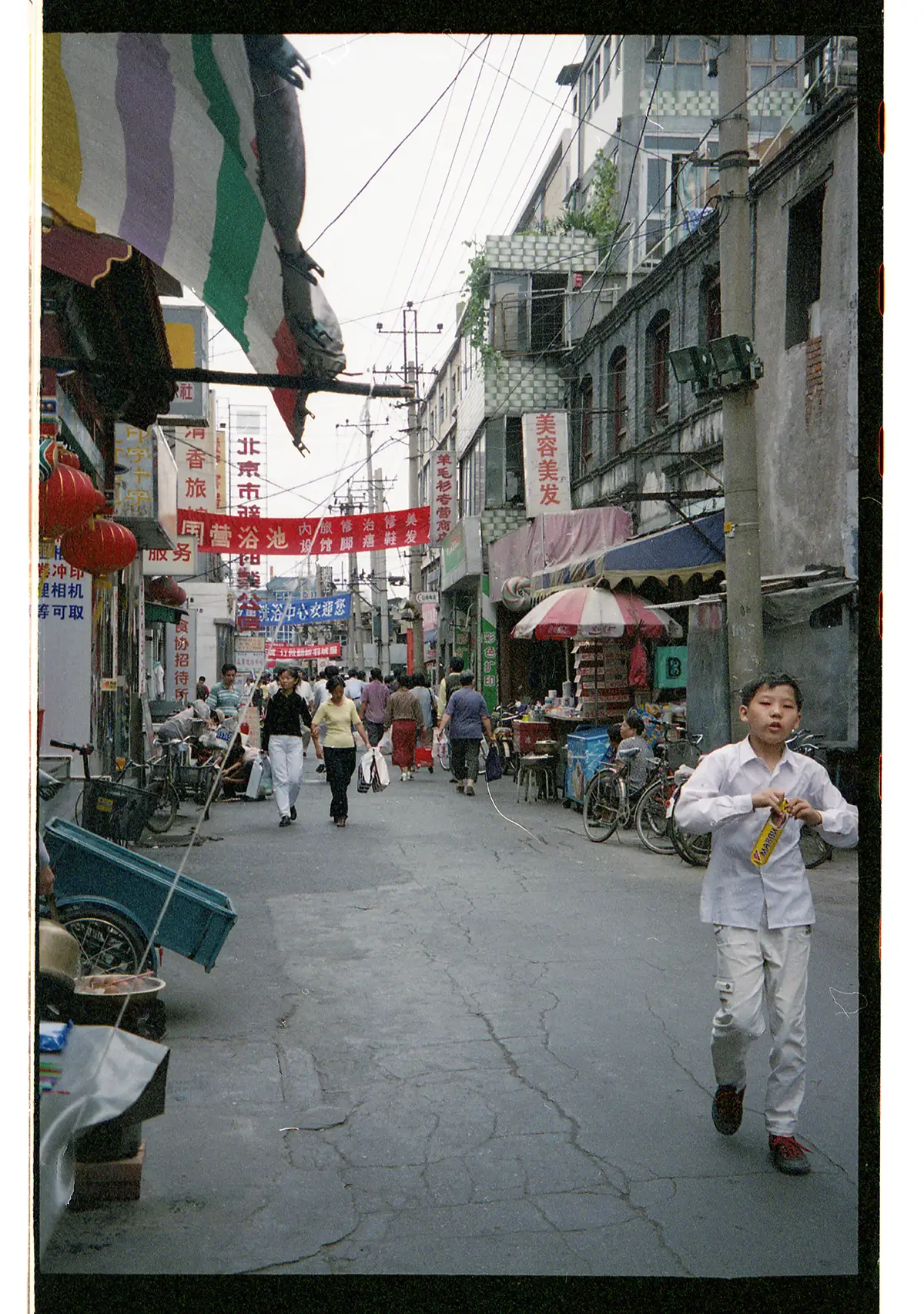 fabled trade routes of antiquity – stretched. All the way from Italy to China, and back again. Kind of.
The term ‘silk roads’ is an invented one (we have a 19th-century German baron to thank for coming up with it in the first instance). It refers to a vast, informal network of overland trade routes that connected (then, if not now) East Asia with Western Europe. And that’s a lot of ground to cover. Baku to Beijing. Tbilisi to Tashkent. The Gobi desert. Afghanistan. Iran. China. Turkmenistan. Shall I go on? I could go on. The Silk Roads spanned it all (including England, Japan, Sweden and sub-Saharan Africa, according to The British Museum).
In the 15th and 16th centuries, European mapmakers looked at those regions beyond Constantinople (modern-day Istanbul) and denoted them on their detailed blueprints with three Latin words: hic sunt dracones. ‘Here be dragons.’ Here be the unknown. Here be the regions to fear, to avoid, to ignore. And, so, the countries and cultures beyond the Bosphorus Strait have remained, for the most part, unknown to the West.
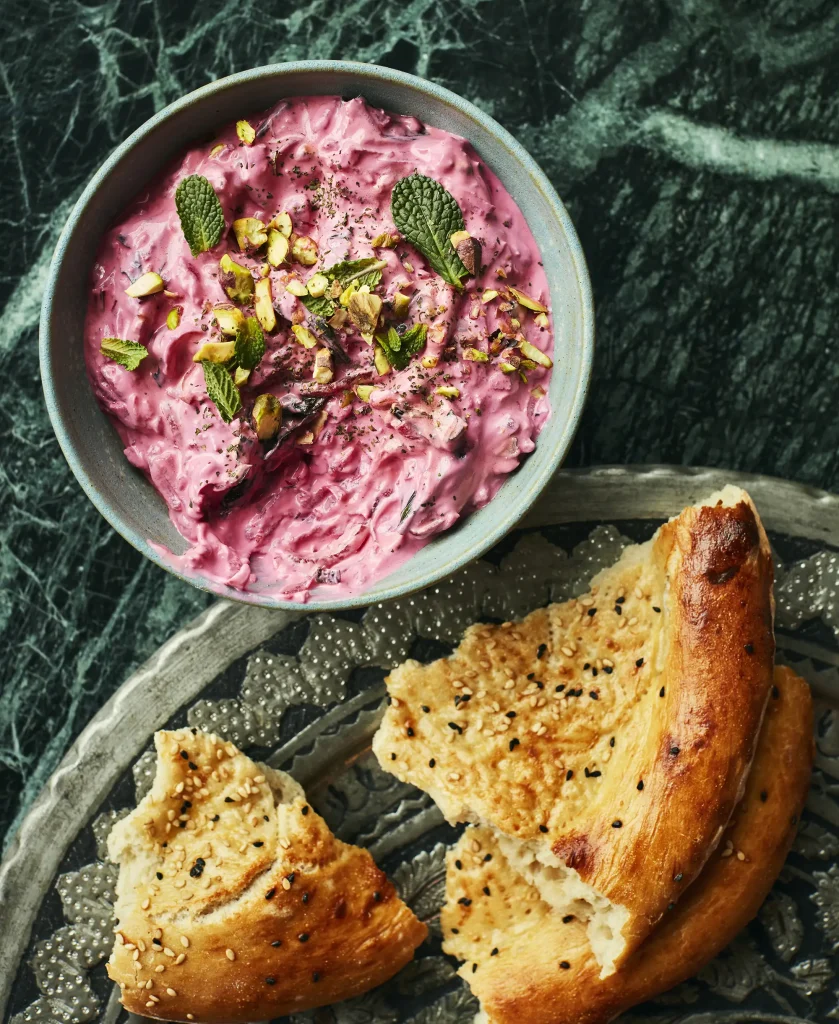
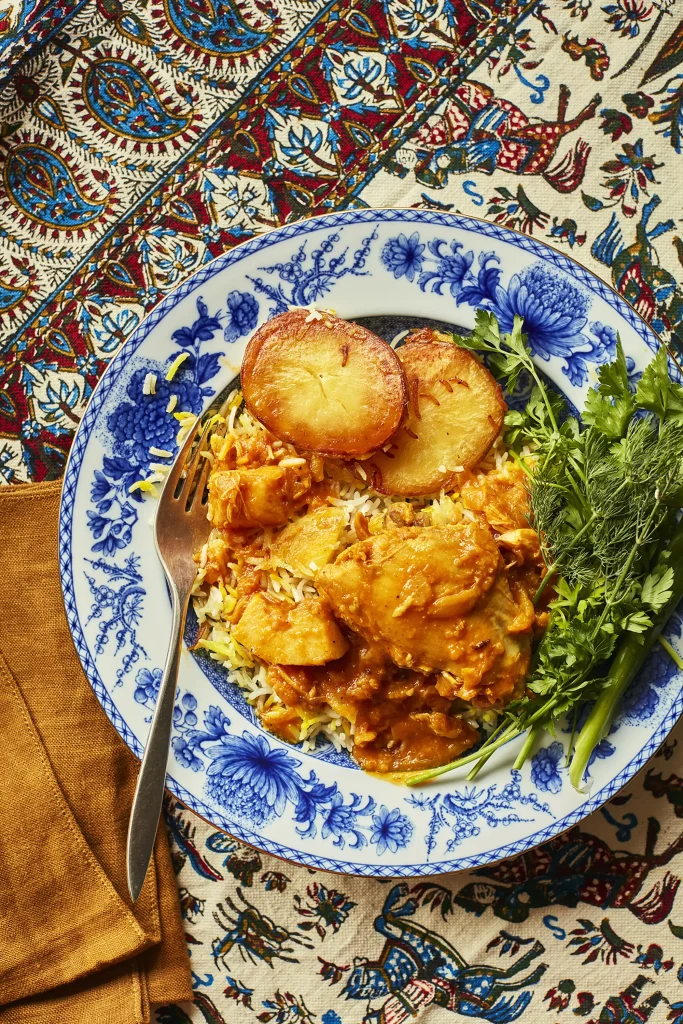
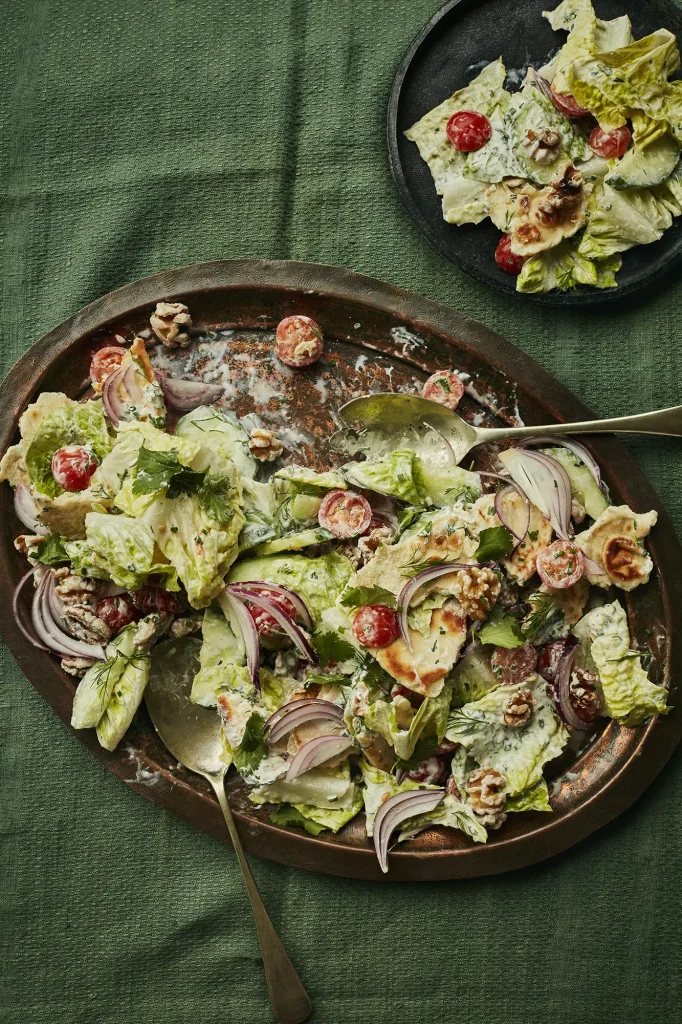
Yes, sure, you know Yotam Ottolenghi’s pomegranates and Sabrina Ghayour’s saffron rice creations and turmeric-scented kebabs; I do too and I love them. But the cuisines of the Silk Roads – of my history, heritage and heart – hold so much more: the dishes, stories and places found beyond the dragons. And, as teenage Anna so fortunately discovered, sometimes, venturing into the great unknown is the odyssey you never knew you needed. I thought I wanted Rome but, apparently, I needed the whole map.
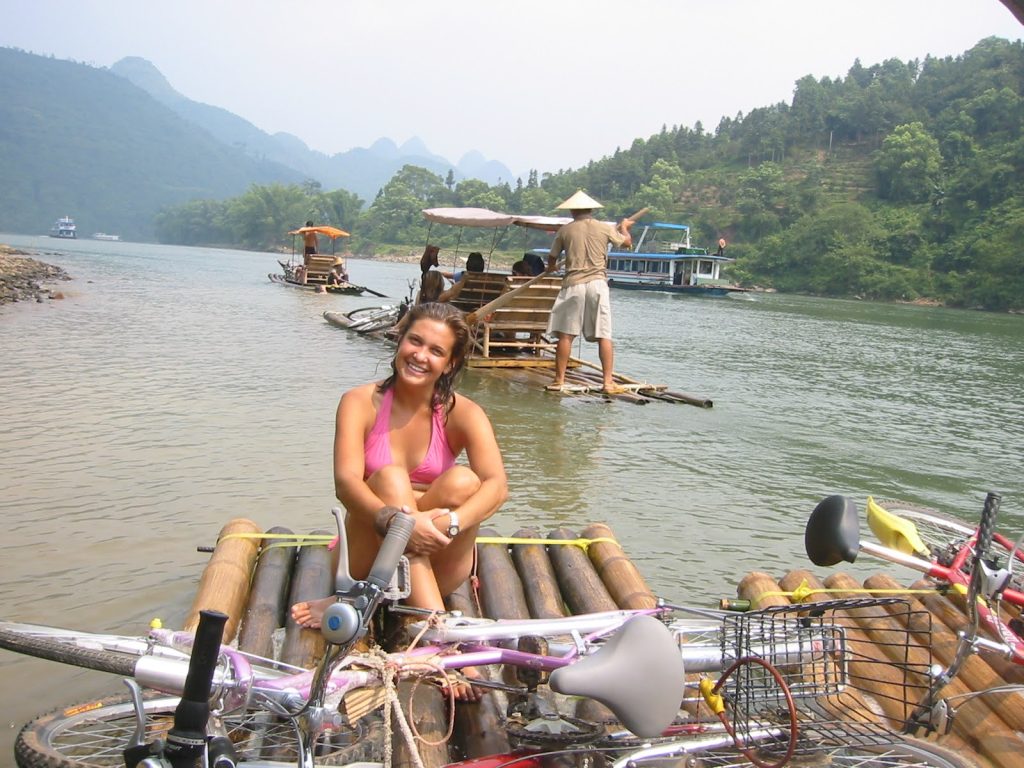 I kept travelling throughout my 20s – some more summers in China, a stint in Hong Kong, some time in Thailand – and eventually ended up in the most unexpected place of all. Decades after that first trip to China, I embarked on yet another adventure into the unknown – in the UK. There were no caravanserais (roadside inns) or night markets in Edinburgh’s New Town. No neon Spring Festival fireworks or dragon boats in Walthamstow. No sidewalk snacks of roujiamo and xiaokao or Yanjing beers in Notting Hill. Just love in the form of a husband and, eventually, a beautiful baby boy.
And then the world stopped. We couldn’t leave our homes. We couldn’t travel. We couldn’t move. I was trapped in a house whose walls seemed to shrink with every weekly neighbourhood clap, with a 14-month old infant, a stressed-out husband and a very vocal cat. I sought distraction.
Cooking became my passport, my escape, my salvation – my way to expand the world when I could barely leave my own house. I simmered pomegranate-stained fesenjan and dark green ghormeh sabzi and pleated Georgian khinkali. I hand cut Chinese noodles; fermented Ethiopian injera; baked Japanese chiffon cakes. It was fulfilment, nourishment, comfort – and a way out.
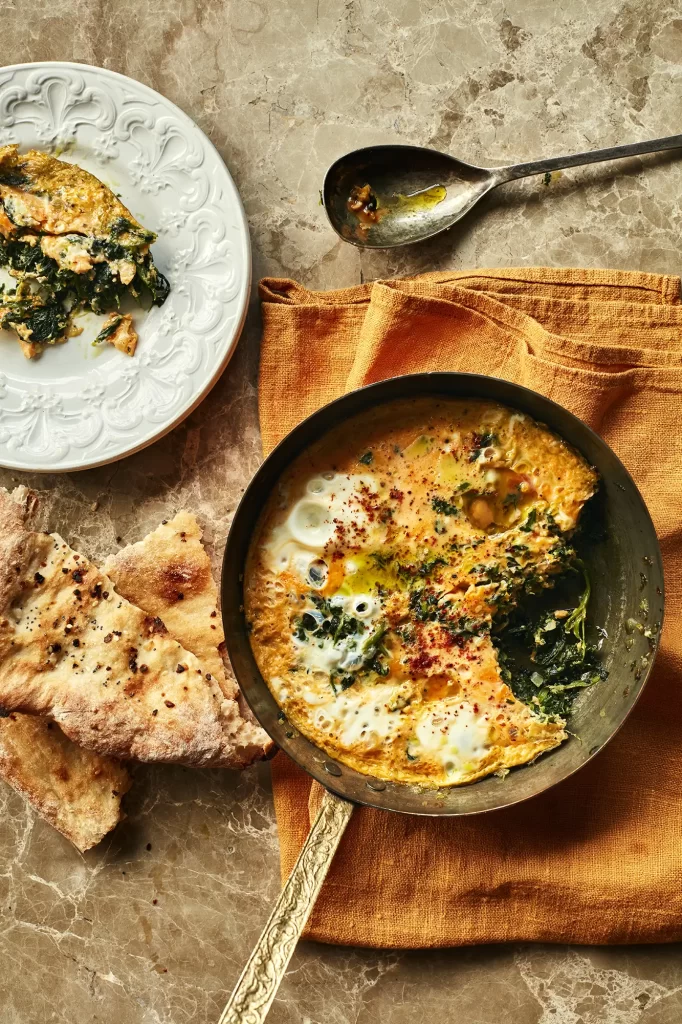
It was also a delicious way to feed a toddler and – I hoped – to give my son not only an early taste of his heritage in khoresh and kuku form, but a love of discovery, flavour and diversity. A glimpse, in other words, of the world beyond the dragons.
For me, whether by plane or by pan, the journey has never really ended. The Silk Roads remain a feast of history, beauty and flavour – proof that the map is bigger than we think, and that there is always more to taste.